
Kraft Paper may look simple on a warehouse floor: brown rolls, neat edges, and familiar paper sacks. Yet choosing a supplier for international purchasing takes more than comparing prices. Fiber quality, basis weight, moisture control, roll dimensions, and protective wrapping can all affect performance after a long journey. Small differences matter.
Paper scientist Martin A. Hubbe’s research offers a useful buyer’s perspective. A practical paraphrase is: “Paper performance depends on fiber properties and process control.” That principle helps explain why samples, technical data, and consistent production records deserve close attention. A supplier’s polished catalog is not enough. Ask how specifications are checked, how defects are handled, and whether the mill can support repeat orders. Then compare answers, not just quotations.
This guide introduces ten Kraft Paper suppliers serving global buyers, with attention to product range, manufacturing capabilities, export experience, and communication. These details can help importers, converters, and packaging teams build a more informed shortlist. Still, no list can replace testing. A sample that feels strong may behave differently on a filling line, during printing, or in damp storage. That is an easy detail to underestimate. Use the profiles as a starting point, verify claims directly, and match each supplier’s strengths to your actual application. The right choice is rarely the loudest one.
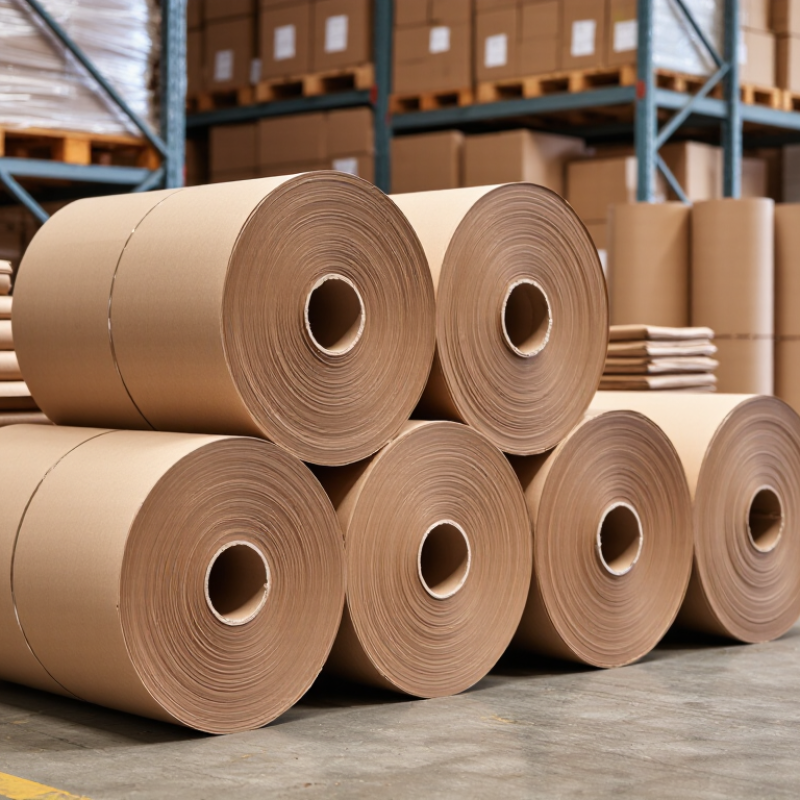
Kraft paper is not a single grade. Virgin-fibre kraft is often chosen for strength, while recycled grades can suit lighter wrapping and inner packaging. Natural brown paper hides scuffs well; bleached grades offer a cleaner surface for printing. Sack kraft needs reliable tear resistance, especially when filled and handled repeatedly. Small details matter. Buyers should compare basis weight, roll width, moisture limits, and whether the paper needs food-contact suitability. A sample tells more than a catalogue line.
Global orders add practical complications. A mill’s available grade may not match a buyer’s converting equipment, core size, or local climate. Ask suppliers for current technical data, test methods, production lead times, and packing details. Moisture protection is important during ocean freight, where condensation can soften edges or distort rolls. Samples help. Check them on the actual machine, not only by hand. Certifications and test reports can support a purchasing decision, but their scope and validity should be verified. Even a precise specification can miss a real production issue; that is worth admitting before committing to a large shipment.

10 Best Kraft Paper Suppliers for Global Buyers
Criteria for Evaluating Kraft Paper Suppliers
A reliable supplier should provide clear specifications for basis weight, roll width, moisture, and strength. These details affect printing, converting, and packaging performance. Ask for recent test reports and confirm that measurements match the product you will receive. Samples reveal a lot. Check the sheet under your own production conditions, not only under showroom lighting.
Consistency matters as much as a strong first sample. Compare several batches for shade, surface texture, and thickness. Ask how the supplier handles quality checks and reports defects. Delivery records also deserve attention. Review typical lead times, minimum order quantities, packaging methods, and plans for delays. A low quote can look attractive, but extra freight or damaged rolls may erase the savings.
Communication is another practical test. Send a specific question about tolerances or packing, then assess how clearly the supplier responds. Vague answers create avoidable risk. Request references from buyers with similar order sizes or applications, where available. Price still matters, but it should sit beside quality, capacity, and service in your comparison. We sometimes give price too much weight; it is an easy mistake to make. Supplier evaluations are rarely perfect, so record assumptions and revisit them after a trial order.
Global buyers need more than a low price when choosing kraft paper suppliers. The FAO’s 2022 forest-products data puts global paper and paperboard production at about 401 million tonnes, reflecting a vast, varied supply base. Yet grades are not interchangeable. Buyers should compare basis weight, moisture tolerance, tensile strength, roll width, and documented test methods. Small differences matter.
These profiles describe useful supplier models, not guarantees of performance. Request current specification sheets and representative samples, then test them on the intended equipment. Ask how moisture and tensile results are measured; methods can differ. Confirm minimum order quantities, packaging protection, and delivery terms in writing. A polished sample is helpful, but repeatability across shipments matters more.
Comparing the 10 best kraft paper suppliers means looking beyond price and catalogue size. Check whether each supplier offers the grades your operation actually uses: rolls or sheets, recycled or virgin fibre, and the basis weights needed for bags, wrapping, or cartons. Ask for recent samples. Feel the surface, test folding, and compare shade across batches. Small differences matter on a production line.
Certifications need careful reading. Request current documents and confirm their scope, site, and validity; a certificate alone does not prove every product meets your requirements. For paper intended for food contact, ask for product-specific supporting documentation and verify it against the rules in your destination market. Some paperwork looks reassuring at first glance. It may not cover the grade you plan to buy.
Export capability is practical, not just a claim on a website. Ask how rolls are wrapped against moisture, how pallets are secured, and what shipping documents the supplier provides. Confirm production lead times, minimum order quantities, port options, and who handles export clearance. Request a trial shipment when possible. Delays can happen, and even experienced buyers sometimes underestimate transit time. A clear response to a detailed inquiry is useful evidence of communication quality, though it cannot guarantee smooth delivery. Compare suppliers using the same checklist, then record unanswered questions before placing a large order.
A useful starting point for comparing suppliers is the range of paper grades they offer. Bars show representative basis-weight ranges in grams per square metre (g/m²), not supplier rankings.
Specification ranges vary by mill, intended use, and market. Confirm available grades and tolerances directly with suppliers when comparing product range, certifications, and export capabilities.
Begin with a written specification, not a price request. Record basis weight, roll width, core diameter, moisture range, shade, and intended converting process. FAO’s Global Forest Products Facts and Figures 2022 reports about 417 million tonnes of paper and paperboard production worldwide. That scale makes clear why a broad “kraft paper” description is not enough. It does not verify any particular supplier or batch.
Request a recent mill test certificate and match its grade and batch details against the quotation and sample. Test sheets for basis weight, thickness, tensile strength, and moisture; note whether the sample behaves consistently during printing or folding. Ask where the paper is made, what traceability documents are available, and whether recycled-content or forest-origin claims have supporting records. CEPI’s Key Statistics 2023 reports a 79.3% paper recycling rate in Europe for 2022. That regional figure is useful context, not proof of a supplier’s recycled content. Small distinction. It matters.
Before placing a large order, confirm production capacity, minimum order quantity, lead time, packaging, and how defects are handled. Check that the sample, certificate, and proposed shipment refer to the same grade and mill. A video call or site audit can help, but neither replaces independent testing. One awkward point: documents can look complete while leaving batch traceability unclear. Ask for clarification in writing, then consider a trial order and inspect the delivered rolls before scaling up.