Why Choose Cardboard Sheets for Your Packaging Needs?
In an era where sustainable solutions are paramount, the packaging industry is turning towards cardboard sheets. According to Dr. Emily Carter, a packaging industry expert, "Cardboard sheets offer a blend of strength and sustainability that is unmatched." This insight highlights why businesses increasingly prefer cardboard sheets for their packaging needs.
Cardboard sheets are not just about functionality; they represent a commitment to environmental responsibility. Their design allows for customization, which is vital for branding. Companies can choose various thicknesses and finishes to cater to specific products. However, choosing the right cardboard can be tricky. Not all cardboard sheets are created equal. Understanding the material’s properties is crucial.
Challenges can arise when juggling cost and quality. Businesses must weigh the immediate expense against potential long-term benefits. Quality cardboard sheets can reduce damage during shipping and enhance consumer experience. Therefore, investing in suitable materials can be a wise choice. The journey of selecting cardboard sheets demands diligent consideration but offers significant rewards.
Benefits of Using Cardboard Sheets in Packaging Solutions
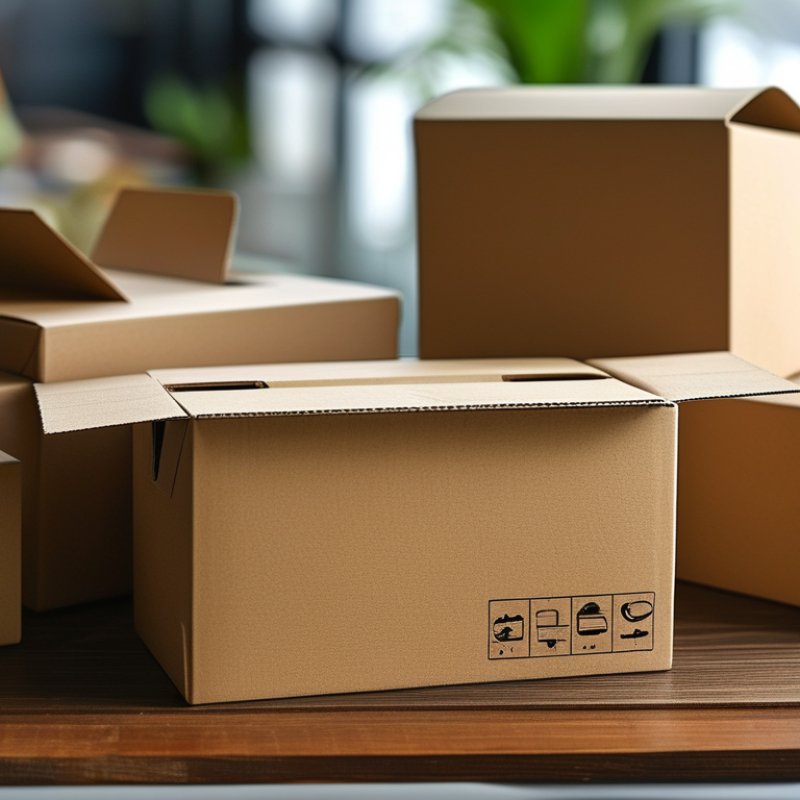
Cardboard sheets have become a popular choice in packaging for several compelling reasons. According to the American Forest and Paper Association, the cardboard packaging industry is expected to reach $260 billion by 2024, demonstrating its growing relevance. One significant benefit is their environmentally friendly nature. Cardboard is recyclable and biodegradable, helping companies reduce their carbon footprint. This aligns with the increasing consumer demand for sustainable packaging solutions.
In addition to environmental benefits, cardboard sheets offer excellent protection for products. Their structure provides cushioning, which minimizes damage during shipping. The paper and paperboard packaging market is projected to grow by 4% yearly through 2026, largely due to the rise in e-commerce. However, while cardboard delivers protection, its performance can vary based on thickness and treatment. Businesses must carefully consider which type suits their products best.
Cost-effectiveness is another advantage. Cardboard sheets are generally cheaper than alternatives such as plastics or metals. This allows manufacturers to cut down on packaging costs. Yet, overreliance on cardboard can lead to vulnerabilities, especially with heavy items or extreme conditions. Companies might need to explore hybrid packaging solutions to better meet their needs while ensuring product safety.
Why Choose Cardboard Sheets for Your Packaging Needs? - Benefits of Using Cardboard Sheets in Packaging Solutions
| Benefit |
Description |
Environmental Impact |
Cost Efficiency |
| Lightweight |
Easy to handle and reduces shipping costs. |
Made from recyclable material, reducing waste. |
Lower transportation costs due to reduced weight. |
| Versatile |
Can be customized for various shapes and sizes. |
Easily reused and recycled, minimizing the carbon footprint. |
Cost-effective for businesses needing different sizes. |
| Durability |
Provides adequate protection for products during shipping. |
Sustainable, as it is biodegradable after disposal. |
Less need for additional protective materials. |
| Cost-effective |
Generally less expensive than plastic or metal packaging. |
Reduces environmental impact through lesser resource use. |
Affordable for both small and large businesses. |
Environmental Impact of Cardboard Compared to Other Materials
Cardboard is gaining popularity due to its environmental benefits. Compared to plastic, cardboard has a lower carbon footprint. According to a study by the Environmental Paper Network, producing cardboard emits 50% less CO2 than plastic. Furthermore, cardboard is biodegradable and recyclable, making it a more sustainable option for packaging. In fact, the recycling rate for cardboard is around 70%, significantly higher than that of plastic, which hovers below 10%.
Using cardboard reduces waste and promotes a circular economy. It is made from renewable resources, primarily trees. Sustainable forestry practices are vital to this process. The Forest Stewardship Council states that responsibly sourced cardboard can help maintain forest ecosystems. However, not all cardboard products are created equal. Some may contain harmful chemicals, so it is essential to choose certified materials.
Tips for choosing cardboard include looking for recycled content. Materials with at least 30% recycled fibers have a smaller environmental impact. Consider the end-of-life options for your packaging, too. Are they easy to recycle? This awareness leads to better choices. Lastly, consider local suppliers to reduce transportation emissions and support the community. Being mindful of these factors contributes to a more sustainable future.
Cost-Effectiveness and Affordability of Cardboard Packaging
Cardboard packaging is a popular choice for many businesses due to its cost-effectiveness and affordability. According to recent industry studies, cardboard accounts for nearly 40% of the global packaging market, making it a reliable option for various products. The production cost of cardboard is relatively low, allowing businesses to save on materials without compromising quality. For instance, the average price of a cardboard sheet is approximately 50% lower than that of alternative materials like plastic or metal.
Utilizing cardboard can lead to significant savings. A report by Smithers Pira states that companies using cardboard packaging can save around 15% in transportation costs due to its lightweight nature. This reduction in shipping expense is just one example of how choosing cardboard can benefit a company’s bottom line. It is also recyclable, which can reduce waste disposal costs and further enhance its affordability.
Consider these tips when using cardboard packaging. Ensure the thickness of the cardboard matches the product's weight to avoid breakage. Evaluate supplier options to secure the best pricing while considering sustainability. Finally, test prototypes to find the most effective design and size, minimizing material waste and maximizing savings. These steps can help businesses make an informed choice while reaping the benefits of cardboard packaging.
Versatility of Cardboard Sheets for Diverse Packaging Needs
Cardboard sheets have become a go-to choice for many businesses due to their adaptability in various packaging applications. A report from Smithers Pira indicates that the global demand for cardboard is expected to grow by 4.5% annually, reflecting its versatility. These sheets can be easily customized for different shapes and sizes, catering to products ranging from fragile items to bulk goods. This flexibility allows manufacturers to create protective packaging solutions that effectively safeguard contents during transport.
The eco-friendly nature of cardboard adds to its appeal. Around 70% of cardboard is produced from recycled materials, according to the American Forest & Paper Association. This statistic highlights the sustainability aspect that companies can leverage to attract environmentally conscious consumers. However, businesses must remember that not all cardboard is equal. Some options may not provide the durability needed for heavy products, leading to potential damage. Businesses should evaluate their specific needs carefully, considering weight capacities and environmental conditions during transportation.
Moreover, cardboard sheets are often cost-effective compared to other materials. They offer a budget-friendly packaging solution that does not compromise quality. However, organizations still face challenges in sourcing high-quality cardboard that meets industry standards. Properly selecting the right type can require additional research and expertise. As companies navigate these complexities, they can still rely on cardboard sheets for diverse packaging requirements, ensuring both functionality and environmental responsibility.
Durability and Protection Offered by Cardboard Packaging Options
Cardboard packaging is gaining popularity due to its strength and protective qualities. A recent market study revealed that over 70% of businesses prefer cardboard for shipping and storage. The material offers excellent cushioning, reducing the risk of damage during transport. In fact, cardboard can withstand significant pressure—up to 200 pounds per square inch—making it suitable for various products.
Choosing the right thickness is crucial. The right grade of cardboard can provide outstanding protection. Double-wall cardboard, for instance, offers superior durability compared to single-wall options. Businesses should also consider the environmental benefits. Cardboard is recyclable and biodegradable, appealing to eco-conscious consumers. According to a 2022 report, 60% of buyers are more likely to choose sustainable packaging solutions.
Experts recommend testing your packaging under different conditions. This practice ensures that your products remain safe during transit. Additionally, consider adding protective inserts made from cardboard. These can provide extra support and prevent items from shifting. While cardboard is versatile, it may not be ideal for every scenario—evaluating your specific needs is vital. Reflecting on the balance between cost and protection will lead to better decision-making in packaging strategies.