China Top Paper For Cup Supplier How to Choose?
Choosing a China Paper For Cup supplier requires more than comparing unit prices. A reliable decision begins with the cup’s real use: hot coffee, iced tea, soup, or takeaway desserts. Each application demands different paper weight, coating performance, rim strength, and leakage resistance. Ask for technical data, not attractive product photos.
David Luttenberger, a recognized packaging industry analyst, offers a useful purchasing principle: “The cheapest cup is rarely the lowest-cost cup.” This idea matters when evaluating Paper For Cup manufacturers. A low quotation may exclude printing plates, testing, export packaging, or stricter quality controls. Request samples from the same production batch. Fill them with hot liquid. Leave them on a counter for thirty minutes. Small failures become visible quickly.
A dependable China supplier should explain its paper source, coating type, production capacity, inspection process, and handling of defective goods. Check whether the factory can provide food-contact documentation, migration test reports, and clear material specifications. Also examine the factory floor, if possible. Clean storage areas and organized sampling records often reveal more than polished brochures.
Experience still needs judgment. A supplier may have impressive equipment but weak communication. Another may offer excellent service but limited output during peak seasons. I would compare at least three factories, then test samples under actual operating conditions. Not every “eco-friendly” claim is equally meaningful. Ask what the cup is made from, how it performs, and whether local disposal systems can process it. The strongest choice balances safety, consistency, cost, and honest documentation. Even then, review the decision regularly. Markets change, and assumptions can age badly.
Types of Paper Cups Offered by China’s Leading Suppliers
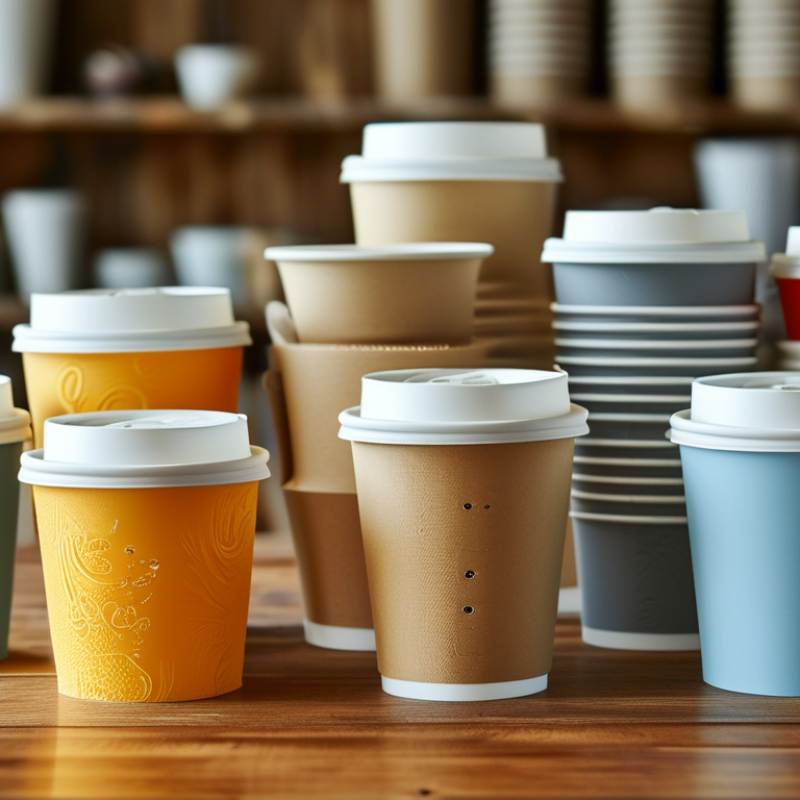
China’s leading paper-cup suppliers usually offer several structures for different serving conditions. Single-wall cups suit water, juice, and short takeaway service. Double-wall cups provide better insulation for hot coffee. Ripple-wall cups add a textured air layer, reducing heat transfer and improving grip. The choice becomes visible in the hand.
A 2024 Grand View Research assessment valued the global paper-cups market at more than USD 12 billion and projected continued growth through 2030. This demand supports wider material choices. Standard polyethylene-coated cups remain common because they balance moisture resistance and cost. Water-based barrier cups are gaining attention where easier fiber recovery is required. PLA-lined cups serve selected cold or hot applications, but their processing needs careful verification. Paper soup containers and ice-cream cups use heavier board and stronger moisture barriers. Lids may be offered in paper, plastic, or fiber-based formats.
I examine the intended drink temperature, filling speed, rim strength, and storage humidity before selecting a supplier. Certification should cover food-contact safety, coating composition, and factory traceability. A supplier’s sample can look excellent yet soften after ten minutes with hot liquid. That is a practical warning. Smithers’ paper-packaging research identifies barrier performance and recycling compatibility as major development priorities. Still, supplier claims need independent test records. I would request burst, leakage, compression, and heat-retention results, preferably from the same production batch. Small details matter. The perfect cup is rarely perfect.
Key Materials and Quality Standards for Paper Cup Production
Choosing a top paper cup supplier starts with the paperboard, not the printed design. FAO’s FAOSTAT Forestry Production and Trade database reports roughly 420 million tonnes of global paper and paperboard production in 2023. This scale creates many options, but not every grade suits hot drinks. Food-contact board should provide stable stiffness, low odor, and controlled surface absorption. Virgin fiber is often preferred for direct food contact, while recycled content requires documented decontamination and compliance testing.
Key material considerations: grammage, caliper, moisture, bursting strength, Cobb water absorption, barrier performance, and food-contact compliance.
Cup performance depends on measurable details. Check grammage, caliper, moisture, bursting strength, and Cobb water absorption. For example, a 210–320 gsm board may support common beverage cups, but the final choice depends on volume and rim design. Barrier layers also matter. Polyethylene, water-based coatings, or other approved systems must resist leakage without affecting taste. EN 13432 and ISO 18606 apply when compostability claims are made; they do not automatically prove local composting acceptance. Food-contact declarations should also reference applicable regulations, such as EU Regulation 1935/2004 or relevant FDA requirements.
Barrier performance
Approved coatings must resist leakage without affecting taste.
Compliance references
Consider EN 13432, ISO 18606, EU Regulation 1935/2004, or relevant FDA requirements.
Independent testing is essential. Smithers’ packaging market analysis continues to identify fiber-based formats as major growth areas, but growth does not equal consistent quality. A supplier should provide batch records, migration results, heat-seal data, and traceability documents. In practical audits, I would test cups with boiling water for thirty minutes, then inspect seams and odor. Higher grammage is not always better. It can increase material use and shipping weight. One weakness remains: laboratory results may not reflect rough factory handling, so pilot production deserves careful review.
Practical audit focus: Test cups with boiling water for thirty minutes, then inspect seams and odor. Pilot production remains important because laboratory results may not reflect rough factory handling.
How to Evaluate a Chinese Paper Cup Supplier
Choosing a Chinese paper cup supplier requires more than comparing prices. Start by checking production experience, factory capacity, and product specialization. Ask how many years the facility has supplied export customers. Request clear details about cup sizes, paper weight, coatings, lids, and printing methods.
Order samples before discussing large volumes. Examine the rim, side seam, base seal, and printing alignment. Fill each cup with hot and cold liquids for several hours. A strong supplier should provide food-contact material documents and test reports suitable for your target market. Verify whether these documents match the actual paper and coating used. Some factories present old reports, which can create serious misunderstandings.
Reliable communication matters just as much as machinery. Ask for a written specification sheet, production schedule, inspection process, and packaging photos. Check whether the supplier can trace raw materials by batch. Clarify minimum order quantities, replacement policies, and shipping terms before signing an agreement. Factory videos help, but they do not replace an independent inspection. No supplier is flawless. Small printing differences may still appear between samples and mass production. Discuss acceptable tolerances openly, and keep approved samples for comparison. A supplier that admits limitations may be more dependable than one promising everything. During evaluation, response speed, technical answers, and willingness to correct mistakes often reveal more than a polished quotation.
How to Evaluate a Chinese Paper Cup Supplier
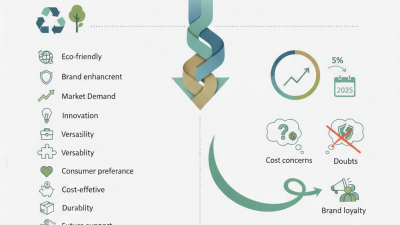
A practical procurement framework can prioritize food-safety compliance, consistent quality, customization capability, delivery performance, and sustainability when comparing suppliers.
The chart shows a buyer-defined evaluation weighting totaling 100%. Request certificates, product samples, production details, lead-time records, and export documents before making a final decision.
Pricing, Certifications, and Order Requirements to Compare Suppliers
Choosing a top paper cup supplier requires more than comparing the lowest quotation. Raw paper, coating type, printing coverage, cup size, and freight can change the final price. Ask for a landed-cost sheet, not only a unit price. The FAO Forestry Production and Trade Yearbook reports about 415 million tonnes of global paper and paperboard production in 2022. Large volume does not guarantee stable pricing. Pulp markets still move quickly.
Certification checks should match the cup’s intended use. Request food-contact compliance documents, migration test results, and an ISO 9001 quality certificate. For fiber sourcing, FSC or PEFC documentation can support responsible procurement. If compostability is claimed, verify testing against EN 13432 or another recognized standard. A certificate without a valid scope is weak evidence. I have seen paperwork look complete, yet the coating was never covered.
Order requirements deserve equal attention. Confirm minimum order quantity, sampling fees, artwork limits, carton counts, production lead time, and replacement terms for defects. A useful supplier should provide a pre-production sample and record its dimensions, rim strength, leakage performance, and print color. The U.S. EPA reported an 80.9% recycling rate for paper and paperboard containers and packaging in 2018, but recycling access differs widely by location. Do not promise recyclability everywhere. Ask whether the supplier can provide batch records, inspection photos, and test reports before shipment. Small details often expose larger problems.