What is Paper Cup Paper and How is it Made?
In the evolving landscape of sustainable packaging, the paper cup industry plays a pivotal role. According to Dr. Jane Roberts, a leading expert in sustainable materials, “Paper Cup Paper is at the forefront of eco-friendly food service solutions.” This statement echoes the growing importance of understanding the materials used in our everyday products.
Paper Cup Paper, a specialized material, is crafted to hold hot and cold liquids while maintaining strength and durability. The manufacturing process involves multiple layers of paper, often combined with a plastic lining for moisture resistance. This unique composition raises questions about recyclability and environmental impact, underscoring a need for innovation.
As society shifts toward sustainability, the demand for high-quality Paper Cup Paper grows. However, the production methods still pose challenges. There is room for improvement in creating more environmentally friendly alternatives. Exploring the ins and outs of Paper Cup Paper reveals its complexities and areas where industry standards can evolve. This journey invites both reflection and action.
What is Paper Cup Paper?
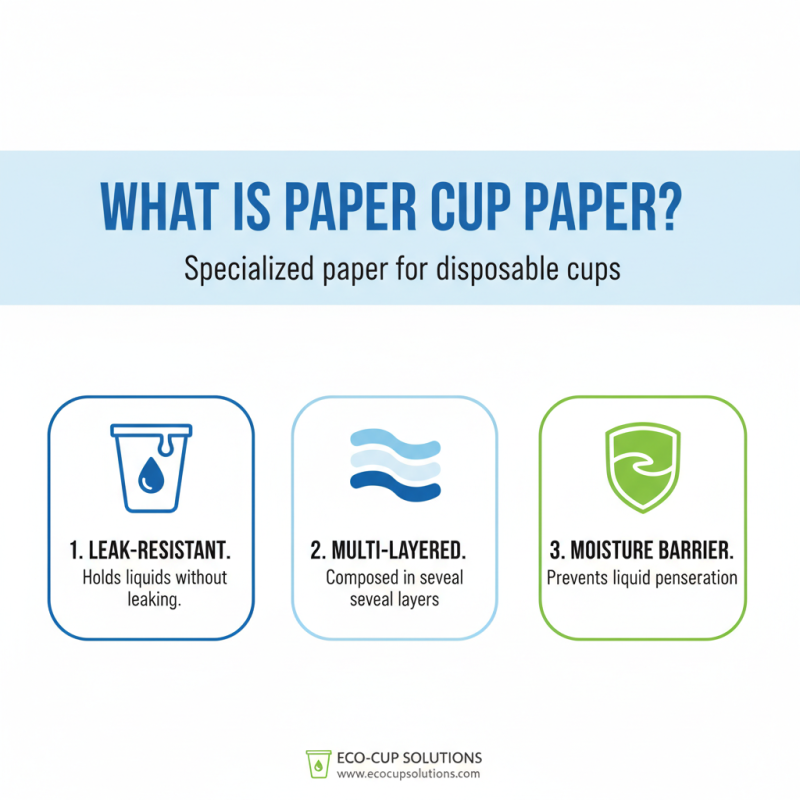
Paper cup paper is a specialized type of paper designed for manufacturing disposable cups. This paper has unique properties that make it suitable for holding liquids without leaking. Typically, paper cup paper consists of multiple layers, including a barrier layer that prevents moisture from penetrating.
In recent years, the demand for paper cups has surged. According to industry reports, the global market for disposable paper cups is projected to reach over $10 billion by 2025. This growth is driven by the increasing popularity of takeout beverages and eco-conscious consumer choices. Paper cups are often made from sustainable materials, appealing to environmentally aware consumers.
Tip: When selecting paper cups, look for options made from recycled paper to reduce environmental impact. Manufacturers often mention the sourcing of their materials.
The production process of paper cup paper involves pulping wood fibers, which are then processed to create a smooth, durable sheet. This paper is treated with coatings that resist liquid and grease. However, not all paper cup manufacturers adhere to the same standards, which can lead to quality variations. It’s essential to choose products from reputable sources.
Tip: Always check for certifications that indicate the paper’s source and processing standards. This can ensure you’re getting a quality product that meets safety regulations.
The Composition of Paper Cup Paper Materials
Paper cup paper is specifically designed to cater to the demands of the food service industry. Typically, it consists of a base layer of durable paper, often made from virgin or recycled fiber. This layer is essential as it provides strength and insulation. According to the Paper and Paperboard Packaging Environmental Council, about 80% of paper cups are recyclable when properly processed.
The coating applied to paper cups is crucial. Many cups use polyethylene to create a moisture barrier that prevents leaks. However, this material complicates recycling. Recent studies show that only 1% of paper cups are successfully recycled due to these coatings. Innovations in compostable materials are emerging, yet challenges in consumer awareness remain.
The thickness of paper cup walls varies. Standard cups generally range from 0.3 mm to 0.6 mm. Thicker paper can hold more liquid and provide better insulation. However, the offset is increased material costs, leading to debates regarding sustainability. Balancing cost, functionality, and eco-friendliness is an ongoing industry challenge.
What is Paper Cup Paper and How is it Made? - The Composition of Paper Cup Paper Materials
| Material Type |
Description |
Percentage Composition |
| Kraft Paper |
Durable paper made from wood pulp, known for its strength and tear resistance. |
70% |
| Polyethylene |
Thin plastic layer applied for water and liquid resistance. |
10% |
| Printing Ink |
Ink used to print designs and logos on the surface of the cup. |
5% |
| Barrier Coating |
Additional coating that provides extra protection against leaks. |
10% |
| Additives |
Chemicals added to improve printing quality and paper strength. |
5% |
The Manufacturing Process of Paper Cup Paper
The manufacturing process of paper cup paper is intricate and precise. It starts with sourcing high-quality cellulose fibers, which are key to ensuring strength and durability. These fibers can be derived from recycled paper or fresh wood pulp. The blend is then pulped and processed to create a slurry that is shaped into sheets.
Once the sheets are formed, they undergo several treatments. A water-resistant coating is applied to make them suitable for liquids. This step is crucial, as it prevents leakage, which can lead to waste. In recent years, industry reports have highlighted that nearly 95% of paper cups are coated with polyethylene, raising concerns about recyclability. Only a small percentage of these cups are properly processed in recycling facilities.
The drying phase is critical. Sheets are carefully dried to ensure they reach the right moisture content. Too much moisture can weaken the cups, while too little can make them prone to tearing. After drying, sheets are cut and bundled for shipping to cup manufacturers. The entire procedure demands precision, as any small mistake can affect the final product's quality. Despite advancements, some challenges remain, such as the need for sustainable options in paper cup production.
Paper Cup Paper Manufacturing Process Data
This bar chart illustrates the time required for each stage of the paper cup paper manufacturing process, from raw material preparation to quality control. The data indicates that pulping takes the longest time, while quality control occupies the least.
The Coating Techniques for Paper Cups
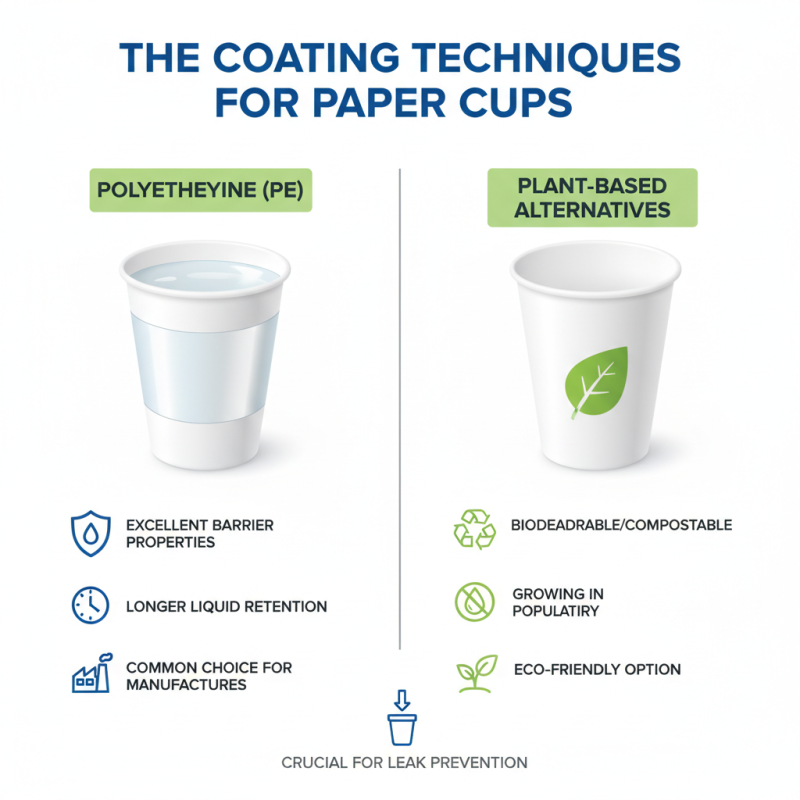
When it comes to paper cups, the coating techniques are crucial in ensuring they hold liquids without leaking. Typically, two main types of coatings are used: polyethylene and plant-based alternatives. Polyethylene is a common choice due to its excellent barrier properties. It keeps drinks contained for longer periods, making it a popular option for manufacturers.
However, some manufacturers are exploring more sustainable coatings. Plant-based materials are gaining traction. They provide a similar level of protection while being more environmentally friendly. Still, these alternative materials can sometimes struggle with heat resistance. This is a challenge for coffee cups that need to withstand high temperatures.
Manufacturers must weigh the benefits and drawbacks of each coating method. Sourcing sustainable materials may lead to higher production costs. In contrast, traditional polyethylene offers reliability but raises environmental concerns. This ongoing debate highlights the need for innovation in coating techniques. Exploring new technologies could provide more effective solutions.
Environmental Impact of Paper Cup Paper Production
The production of paper cup paper has notable environmental implications. While these cups offer convenience, their manufacturing process raises concerns. Forests are often cleared for raw materials. This deforestation threatens wildlife and disrupts ecosystems. Additionally, the energy used in the production process contributes to greenhouse gas emissions.
Recycling paper cups presents challenges. The polyethylene lining often makes them non-recyclable. Consequently, many cups end up in landfills. This contributes to increasing waste crisis. Some manufacturers explore biodegradable options. However, these alternatives require specific conditions to break down. Many consumers remain unaware of these complexities.
Public awareness is essential for reducing the environmental impact of paper cup production. Encouraging reusable options is a practical solution. Establishing better recycling systems can also help. Society needs to reflect on consumption habits. Balancing convenience with environmental responsibility is critical. Every small change can contribute to a larger impact.