Why Paperboard Cups Are the Eco Friendly Choice for Your Beverages?
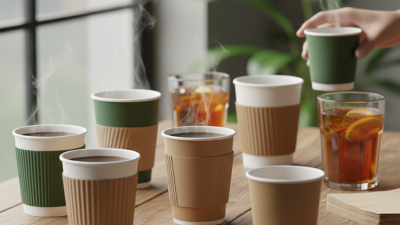
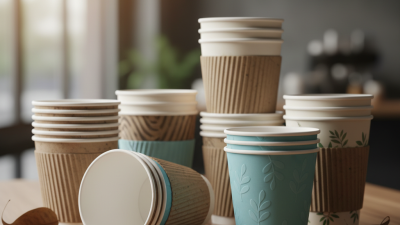
In today's world, environmental concerns are paramount, especially regarding packaging. Paperboard cups have emerged as a popular solution for beverages, promoting sustainability. These cups are made from renewable resources, making them a responsible choice. Beyond their eco-friendly credentials, they offer durability and can handle both hot and cold liquids effectively.
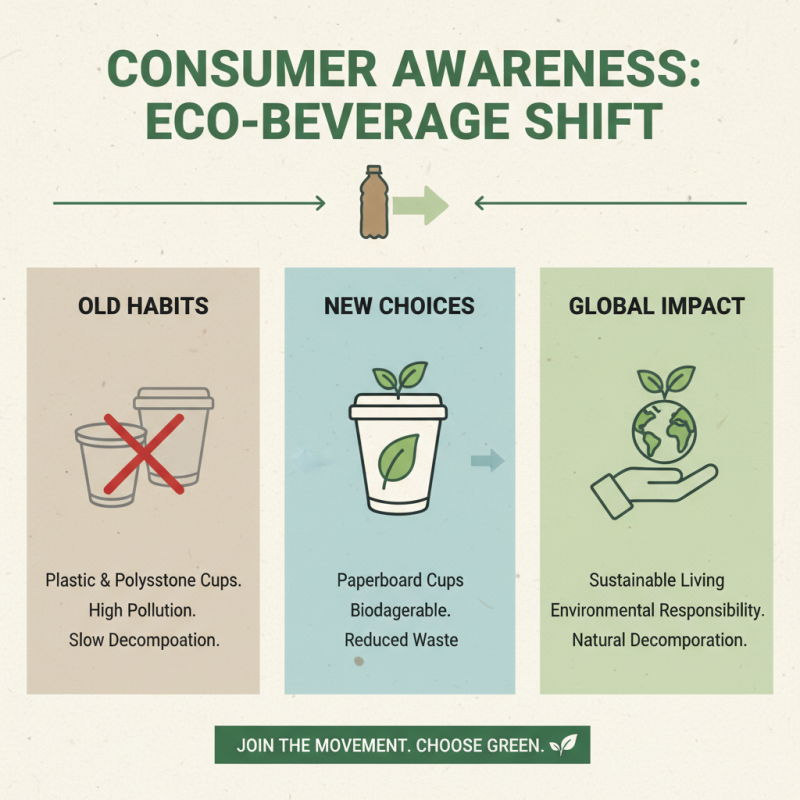
Many consumers now seek out paperboard cups instead of traditional plastic or Styrofoam options. Plastics take centuries to decompose, causing long-term harm to our planet. Paperboard cups, in contrast, are biodegradable. They break down naturally, reducing landfill waste significantly. This transition reflects a growing awareness of environmental impact.
Despite this positive shift, challenges remain. Not all paperboard cups are created equal. Some still use plastic linings, which hinder full recyclability. It's essential to choose products that prioritize true sustainability. By understanding these nuances, consumers can make informed choices that support a healthier planet.
The Composition of Paperboard Cups and Their Environmental Benefits
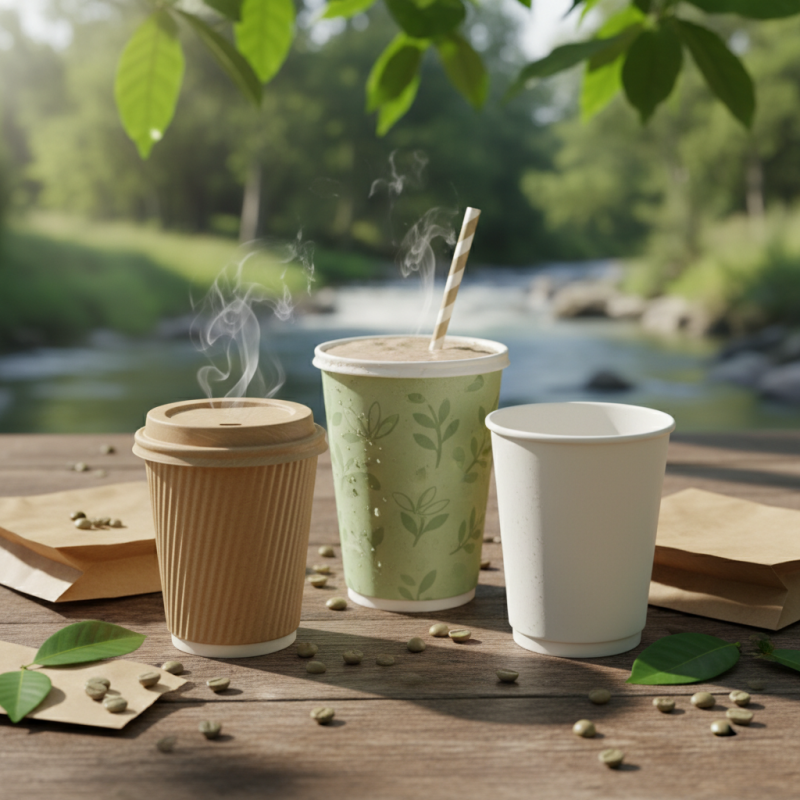
Paperboard cups are gaining popularity as eco-friendly options for beverages. Made primarily from renewable resources, their composition is quite different from plastic alternatives. The basic material is recycled paper, which significantly reduces the carbon footprint during production. Many cups use plant-based linings to make them leak-proof, allowing for easy disposal. This combination contributes to a more sustainable lifecycle for the product.
The environmental benefits of paperboard cups are noteworthy. They are biodegradable and compostable under the right conditions. In contrast, many plastic cups persist in landfills for decades. Unfortunately, not all paperboard cups are created equal. Some still contain plastic or other materials that hinder compostability. Consumers must check for certifications to ensure they are making truly eco-friendly choices. Additionally, while paperboard is a better option, it’s essential to consider waste management practices in your area.
The Lifecycle Analysis: Paperboard Cups vs. Plastic and Styrofoam Alternatives
When comparing paperboard cups with plastic and Styrofoam alternatives, the lifecycle analysis reveals significant environmental advantages. Paperboard cups are renewable. Their production relies on trees, which can be replenished. In contrast, plastic cups come from fossil fuels, contributing to resource depletion. Styrofoam is not biodegradable and lingers in landfills for hundreds of years.
Transitioning to paperboard means reducing waste. These cups are compostable, breaking down within a few months if disposed of correctly. The energy used in creating paperboard is typically less than that of plastic when considering the full lifecycle. Over time, choosing paperboard can lead to a notable decrease in environmental impact.
Tips: Consider education on proper disposal methods for paperboard cups. Encourage consumers to compost them when possible. Additionally, promote the use of recyclable paperboard cups. Small actions can lead to meaningful change in waste management practices. While paperboard may seem more expensive, the long-term benefits for the planet can offset initial costs.
Biodegradability and Compostability of Paperboard Beverage Containers
Paperboard cups are gaining popularity as an eco-friendly option for beverages. Their biodegradability and compostability are two critical factors. Unlike traditional plastic cups, paperboard cups break down naturally over time. They don’t linger in landfills for centuries, causing environmental harm.
When disposed of properly, paperboard cups can decompose within a few months. This is in stark contrast to plastic, which can take hundreds of years. Moreover, many municipalities offer composting programs that accept paperboard. When composted, these cups return valuable nutrients to the soil. They can enrich gardens, enhancing sustainability.
However, challenges remain. Not all paperboard cups are created equal. Some are coated with plastic, which makes recycling more difficult. Consumers need to be aware of these differences. Proper waste disposal is essential for maximizing the eco-friendly benefits. The shift to paperboard is a step forward, but continuous improvement and education are needed.
Sustainable Sourcing: The Role of Recycled Materials in Paperboard Production
Paperboard cups have gained recognition as an eco-friendly choice, primarily due to their sustainable sourcing. The production of these cups often incorporates recycled materials, which significantly reduces the demand for virgin resources. According to the Paper and Paperboard Packaging Environmental Council, using 100% recycled paperboard can save up to 40% of energy compared to using new materials. This impressive statistic underscores the environmental benefits associated with recycling.
In recent years, approximately 51% of the fiber used in paper and paperboard manufacturing came from recycled sources. Utilizing recycled content lessens landfill waste and conserves forests. However, challenges remain in the recycling process itself. Not all consumers understand how to recycle paper products effectively, which can lead to contamination. This issue requires greater public education on proper recycling practices to ensure that waste materials are effectively repurposed.
Despite these challenges, the potential for improvement exists. Innovations in technology have made it easier to recycle paperboard materials. Additionally, many companies are exploring the use of alternative fibers, such as bamboo or agricultural residues. While the industry acknowledges progress, there is still a long way to go. The balance between ensuring sustainability and making paperboard cups widely available needs careful consideration.