Top China Best Paper Cup Brands You Should Know?
The global paper cup market has seen significant growth, driven by rising consumer demand for sustainable packaging solutions. In recent reports, industry analysis predicts a compound annual growth rate (CAGR) of 4.5% from 2023 to 2030. This growth reflects a shift towards eco-friendly alternatives, as consumers become more aware of environmental issues.
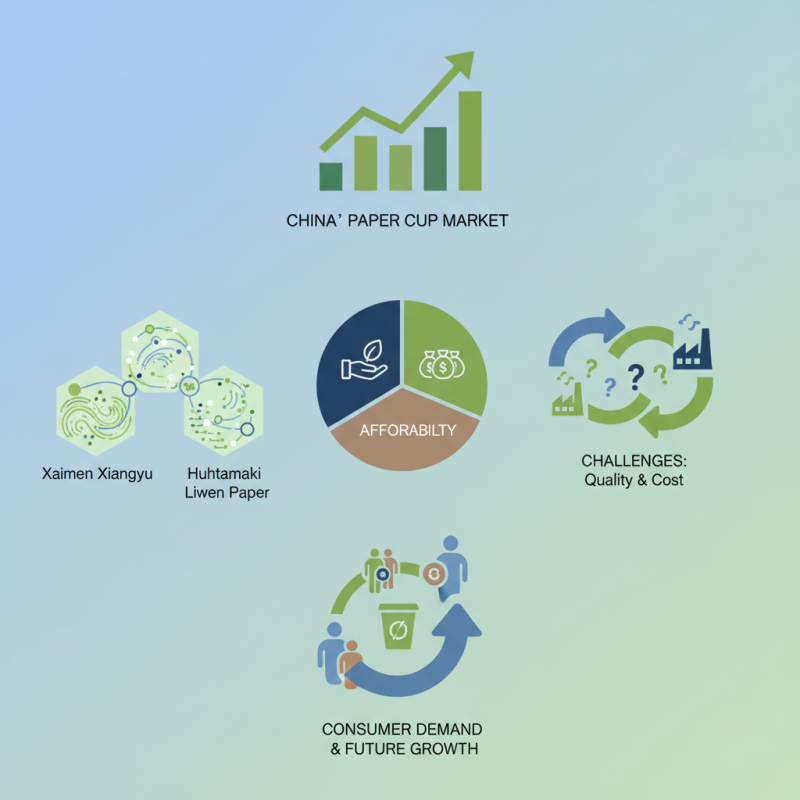
China stands at the forefront of this trend, housing some of the best paper cup brands in the industry. These brands emphasize high-quality, biodegradable materials that cater to an eco-conscious clientele. Companies like Xiamen Xiangyu, Huhtamaki, and Liwen Paper are recognized for their innovative designs and commitment to sustainability. However, challenges remain in ensuring consistent quality and addressing the cost implications of eco-friendly materials.
Navigating the paper cup market requires an understanding of diverse customer needs. Brands must balance environmental responsibility with affordability. The competition is fierce, yet the potential for growth is undeniable. As paper cups reshape consumer habits, brands must remain agile to meet evolving demands effectively.
Overview of China's Paper Cup Market
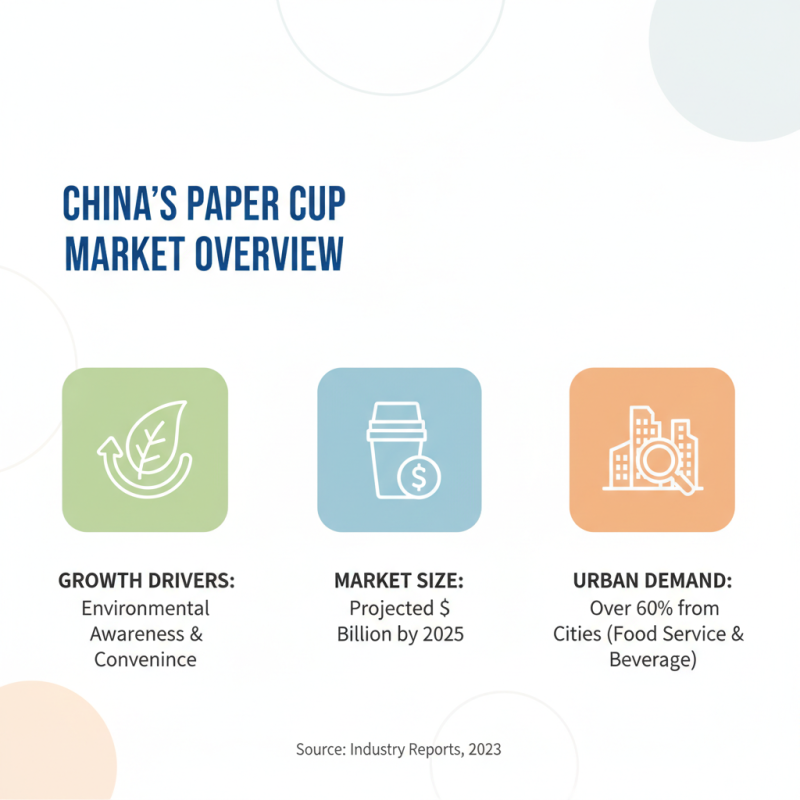
China's paper cup market has seen substantial growth due to increasing environmental awareness and demand for disposable products. According to industry reports, the market is projected to reach approximately USD 2 billion by 2025. This growth is driven by heightened consumption in the foodservice and beverage sectors. Notably, more than 60% of this demand comes from urban areas, where convenience is key.
Despite this growth, challenges persist. Quality control remains an issue for many manufacturers. A recent survey highlighted that nearly 30% of paper cups tested did not meet safety standards. This raises concerns over consumer health and environmental impact. Furthermore, competition in the market is fierce, leading to price wars that can compromise quality.
Sustainability is another crucial aspect. While many brands are shifting to eco-friendly materials, a significant portion still relies on plastic coatings. Research indicates that around 50% of paper cups produced in China are not recyclable due to these coatings. As brands push for greener solutions, the industry must reflect on these practices and strive for genuine improvements.
Criteria for Evaluating Top Paper Cup Brands
When evaluating top paper cup brands in China, several criteria come into play. Quality is paramount. High-quality paper cups resist leaks, maintain shape, and withstand temperature variations. According to industry reports, around 30% of consumers have reported dissatisfaction with cup quality in recent years. This indicates a crucial area where brands must improve.
Sustainability is another vital factor. The paper cup industry faces pressure to utilize eco-friendly materials. Research shows that 50% of buyers prefer brands using biodegradable or recyclable products. Transparency in sourcing is necessary for building consumer trust. While many brands claim sustainability, verification often lacks depth.
Innovation impacts brand standing as well. Companies are exploring new designs to enhance user experience. These innovations can substantially influence consumer choice. Yet, some brands focus on aesthetics at the expense of functionality. This can lead to a disconnect with customer needs. Balancing style with practical advantages presents ongoing challenges in the industry.
Leading Paper Cup Manufacturers in China
China has emerged as a powerhouse in the paper cup manufacturing industry. This sector benefits from advanced technologies and a rich supply chain. Many leading manufacturers are known for producing high-quality products that meet international standards. They focus on eco-friendly materials and sustainable practices, responding to increasing consumer awareness about environmental issues. The innovation in design and functionality makes their cups stand out.
Yet, not everything is perfect in this industry. While companies prioritize quality, some struggle with consistency. In a highly competitive market, maintaining production standards can be challenging. Certain manufacturers may face issues with delivery timelines or raw material sourcing, which can affect their reliability. Brands must navigate these hurdles to build consumer trust.
Despite these challenges, the potential for growth remains significant. The rise in coffee culture and takeaway services drives demand for diverse paper cup options. Companies are exploring new materials and technologies to create cups that better serve their customers’ needs. This ongoing transformation highlights how even established brands must adapt and improve constantly.
Top China Best Paper Cup Brands You Should Know
| Rank |
Brand Name |
Founded Year |
Annual Production (Million) |
Main Export Markets |
| 1 |
Brand A |
2005 |
500 |
North America, Europe |
| 2 |
Brand B |
2010 |
300 |
Asia, Australia |
| 3 |
Brand C |
2015 |
250 |
Europe, Latin America |
| 4 |
Brand D |
2000 |
700 |
Africa, Middle East |
| 5 |
Brand E |
2012 |
600 |
North America, Europe, Asia |
Innovative Designs and Eco-Friendly Practices
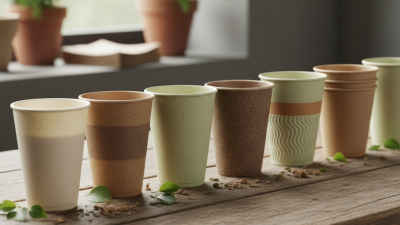
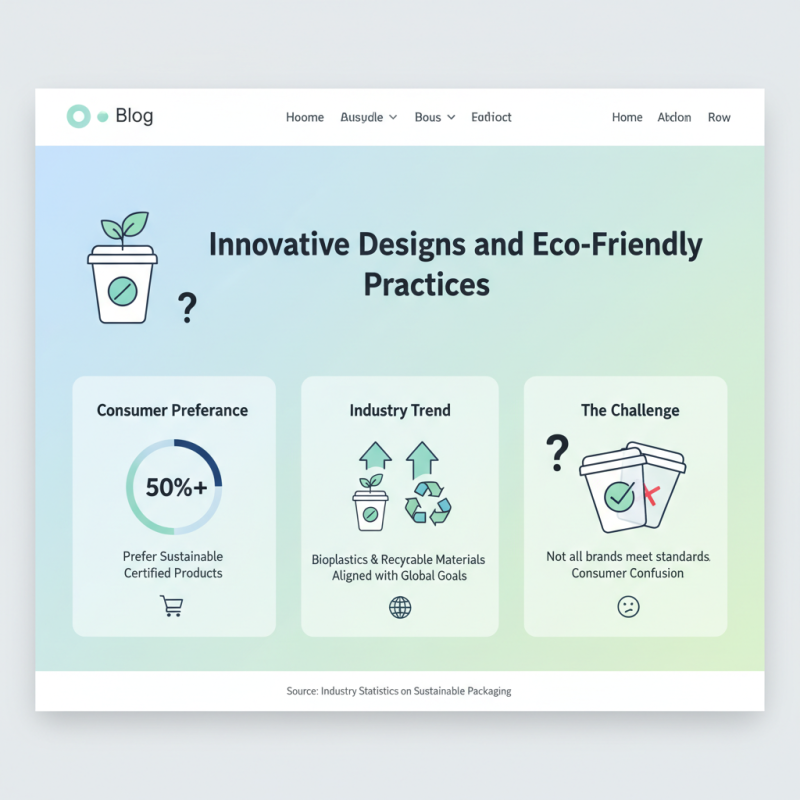
The paper cup industry has seen a rise in innovative designs and eco-friendly practices. Statistics indicate that over 50% of consumers prefer products with sustainable certifications. This trend reflects a growing awareness around environmental issues. Many manufacturers are exploring bioplastics and recyclable materials, aligning with global sustainability goals. However, not all brands meet these standards effectively, leading to confusion among consumers.
The shift towards eco-consciousness has also influenced design trends. Sleek, modern aesthetics now accompany eco-friendly options. Graphical elements often highlight sustainability. Yet, achieving this balance is challenging. Some designs prioritize looks over functionality. There are cases where biodegradable cups don't perform well in hot beverages, leading to customer dissatisfaction. As brands evolve, they must address these shortcomings.
Recent reports highlight that the demand for paper cups is expected to grow by 4% annually. Yet, brands must not sacrifice quality for sustainability. Evaluating materials and consumer feedback is essential for future innovations. Transparency also plays a crucial role. Brands that openly communicate their practices will gain more trust. This transparency can bridge the gap between environmental goals and product performance.
Consumer Preferences and Market Trends in China
In recent years, consumer preferences in China's paper cup market have seen notable shifts. A report from the China Paper Cup Industry Association indicates that 70% of consumers prioritize eco-friendly materials. This trend is largely driven by increased environmental awareness among the younger population. They demand products that align with their values, pushing brands to innovate with sustainable resources.
Market data reveals that convenience remains vital. Approximately 55% of consumers prefer disposable cups due to their convenience, especially in urban areas. Cafes and street vendors contribute significantly to this demand. The rise of takeaway culture, particularly post-pandemic, has further fueled the need for portable, single-use items. However, some consumers express concern over the environmental impact, sparking dialogue about better recycling practices.
Despite progress, challenges persist. Many brands still rely on plastic coatings that hinder recyclability. Research shows that over 40% of paper cups end up in landfills. It’s essential for manufacturers to explore alternatives. As consumer expectations grow, brands must address sustainability and convenience without compromising quality. Balancing these factors will determine future success in the competitive landscape of China’s paper cup market.