2026 Top Printing Paper Trends for Global Buyers to Consider?
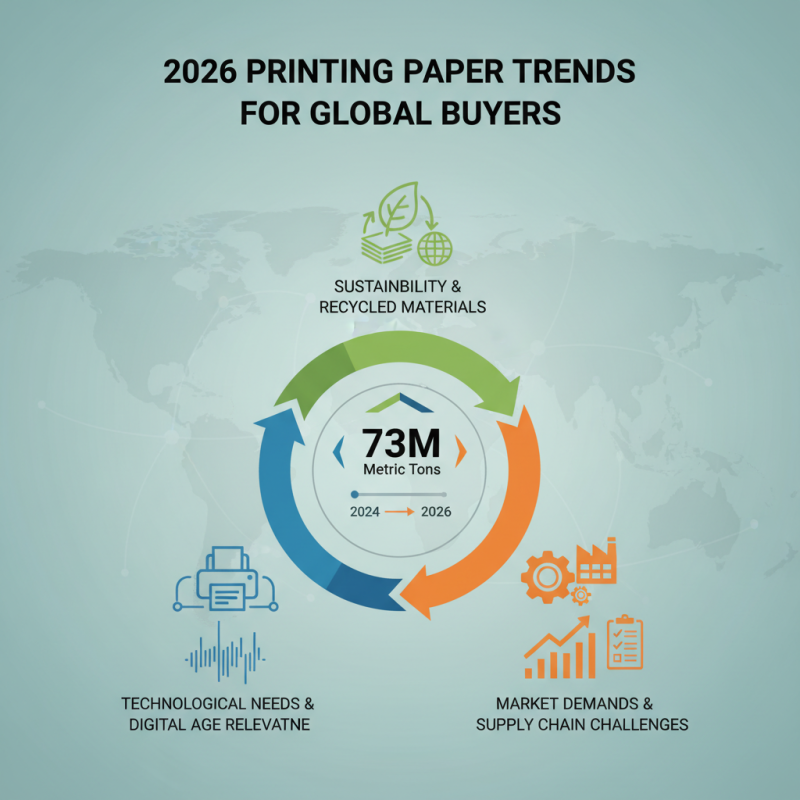
As we look toward 2026, the Printing Paper industry is set for significant shifts. According to a recent report by Smithers Pira, global consumption of printing paper is expected to reach 73 million metric tons by 2026. This growing demand reflects the pivotal role of printing paper in today's digital age, where physical media still holds strong value.
Industry expert Dr. Linda Patel notes, "The trends in printing paper are evolving to meet both environmental and technological needs." Such insights emphasize the importance of sustainability in sourcing materials. With a notable shift towards recycled papers and eco-friendly alternatives, buyers must remain vigilant.
However, challenges persist. Even as green initiatives rise, some manufacturers struggle to keep pace with demand. The balance between quality and sustainability is delicate. This landscape requires buyers to be informed and adaptable, ensuring they can meet marketplace expectations while also confronting underlying issues within supply chains. The future of Printing Paper demands not only innovation but also a critical examination of current practices.
Emerging Sustainable Materials in Printing Paper Production for 2026
The printing paper industry is swiftly evolving to meet sustainability demands. Emerging materials are gaining traction among global buyers. In 2026, recycling rates are expected to exceed 75%, leading to greater innovation in paper production processes. Recent reports indicate that sustainable materials such as hemp and agricultural waste are being integrated into paper manufacturing. These materials cut reliance on traditional wood sources.
Utilizing alternative fibers can reduce environmental impact. Hemp, for instance, can produce paper with lower energy costs. Agricultural residue, too, offers a viable path. Yet, the market faces challenges: scaling production and ensuring quality remain hurdles. Some manufacturers might struggle with consistent product performance.
Tip: Consider assessing the carbon footprint of paper choices. Opting for recycled paper can significantly lower greenhouse gas emissions. Additionally, seek out suppliers who prioritize sustainability in their practices. This conscious decision supports the move towards a greener future, despite some uncertainties in the supply chain.
Innovative Printing Techniques Driving the Future of Paper Quality
Innovative printing techniques are reshaping the future of paper quality. As the demand for high-quality prints increases, new technologies emerge. These advancements help produce sharper images and more vibrant colors. Digital printing continues to dominate, offering improved precision. Inkjet and laser technologies are at the forefront, making finer details more achievable.
The use of eco-friendly materials also plays a role. Sustainable paper sourcing and biodegradable inks are gaining traction. These innovations not only enhance print quality but also reduce environmental impact. However, finding the right balance between quality and sustainability can be challenging. Some companies struggle with cost-effective eco-solutions while maintaining high standards.
Collaboration between designers and printers is crucial. They must embrace these new technologies to push boundaries. Regular training is essential to stay updated on advancements. Yet, many professionals face difficulties integrating new practices with traditional methods. Overcoming these obstacles is vital for a successful printing future.
Global Market Shifts: Consumer Preferences Influencing Paper Trends
In recent years, consumer preferences have dramatically influenced paper trends. Sustainability has emerged as a leading factor. Buyers are now prioritizing eco-friendly products. They seek papers made from recycled materials or sourced from responsibly managed forests. This shift reflects a growing awareness of environmental issues.
Moreover, the demand for unique textures and finishes is rising. Buyers desire papers that stand out visually and tactilely. This trend also includes the use of vibrant colors and unusual weights. However, finding the right balance between aesthetics and functionality can be challenging. Many producers are experimenting but still striving for optimal results.
The digital marketplace further complicates traditional paper trends. Consumers expect quick, personalized experiences. They want options that cater to specific needs. Yet, not all suppliers are equipped to meet these demands efficiently. This gap in readiness can lead to missed opportunities in the market. As preferences continue to evolve, staying aligned with customer expectations will require constant adaptation and innovation.
2026 Top Printing Paper Trends for Global Buyers to Consider
| Trend |
Description |
Impact on Market |
Sustainable Practices |
Estimated Growth (%) |
| Recycled Paper |
Increasing demand for recycled materials due to environmental concerns. |
High |
Use of post-consumer waste in production. |
15% |
| Vegan Paper |
Made without any animal products, popular among vegan consumers. |
Medium |
Water-based inks and biodegradable materials. |
10% |
| Smart Paper |
Integration with technology for interactive applications. |
Emerging |
Sourcing from sustainable forests. |
25% |
| Lightweight Paper |
Thinner sheets to reduce shipping costs and environmental impact. |
High |
Less material used in production. |
20% |
Digital Transformation: The Role of Technology in Paper Printing
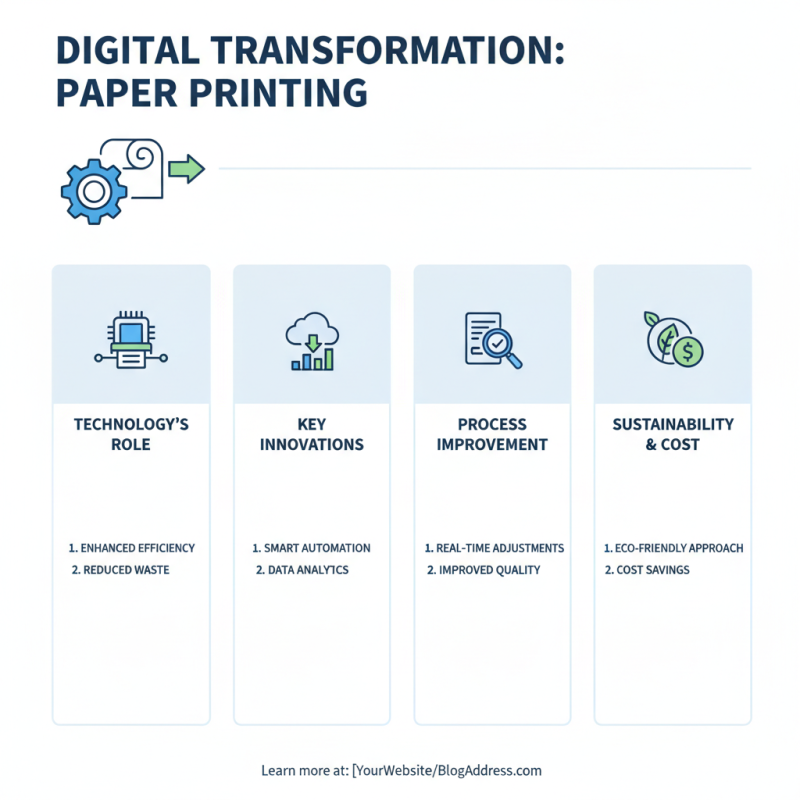
The landscape of paper printing is evolving rapidly due to digital transformation. Technology plays a critical role in enhancing efficiency within the industry. Smart automation and data analytics help streamline processes, reducing waste and saving costs. Innovative software allows for real-time adjustments, improving the quality of printed materials. These advancements lead to a more eco-friendly approach, addressing sustainability concerns.
However, this shift brings challenges. The printing sector must continuously adapt to new technologies. Many companies struggle with integrating digital tools into traditional workflows. Employees may require retraining, as they may not be familiar with advanced systems. This learning curve can slow down productivity initially. Additionally, not all businesses have equal access to technology, creating disparities in capabilities.
Despite these hurdles, the benefits of digital transformation are significant. Enhanced customer personalization and faster turnaround times attract buyers. Printers can now create unique designs adapted to specific consumer needs. This flexibility is essential for staying competitive. As the industry progresses, embracing technology will be vital. Understanding this balance between innovation and tradition will ultimately shape the future of paper printing.
Key Challenges and Opportunities Facing the Printing Paper Industry in 2026
In 2026, the printing paper industry faces significant challenges and exciting opportunities. Environmental concerns are gathering momentum. Sustainable production practices are in demand. Buyers need to consider materials that reduce carbon footprints. This shift creates space for innovation. Companies might struggle to adapt. Some may resist change while others embrace it.
Addressing supply chain issues is crucial. Global transitions can disrupt availability. Maintaining a reliable supply will be essential for buyers. Companies must remain agile. Market responsiveness can mean success. Producing high-quality products consistently is a challenge. Not all manufacturers will keep pace.
**Tip:** Engage in continual learning. Stay informed about market trends and shifts. Networking with industry peers can provide insights.
Understanding technological advancements is vital. Digital printing is evolving rapidly. Integrating new technologies can enhance efficiency. However, adaptation requires investment and expertise. Not every company has the resources to innovate. This gap may widen disparities in the market.
**Tip:** Assess your company's readiness for change. Conduct regular audits of capabilities and resources. Staying proactive can mitigate risks.
2026 Top Printing Paper Trends and Opportunities