

How to Choose Good-Quality PE Coated Kraft Paper: A Complete Guide for Buyers
The global PE-coated kraft paper market is growing rapidly, projected to achieve a 4.5% CAGR and reach USD 8.5 billion by 2035. Driven by the rising demand for sustainable and functional packaging in the food and beverage, industrial, and logistics sectors, this material has become a go-to solution. Yet with a wide variety of options available, choosing high-quality PE-coated Kraft Paper demands careful attention to several critical factors. This guide offers a comprehensive, data-backed framework to help buyers make confident, informed purchasing decisions.
What is Pe Coated Kraft Paper?
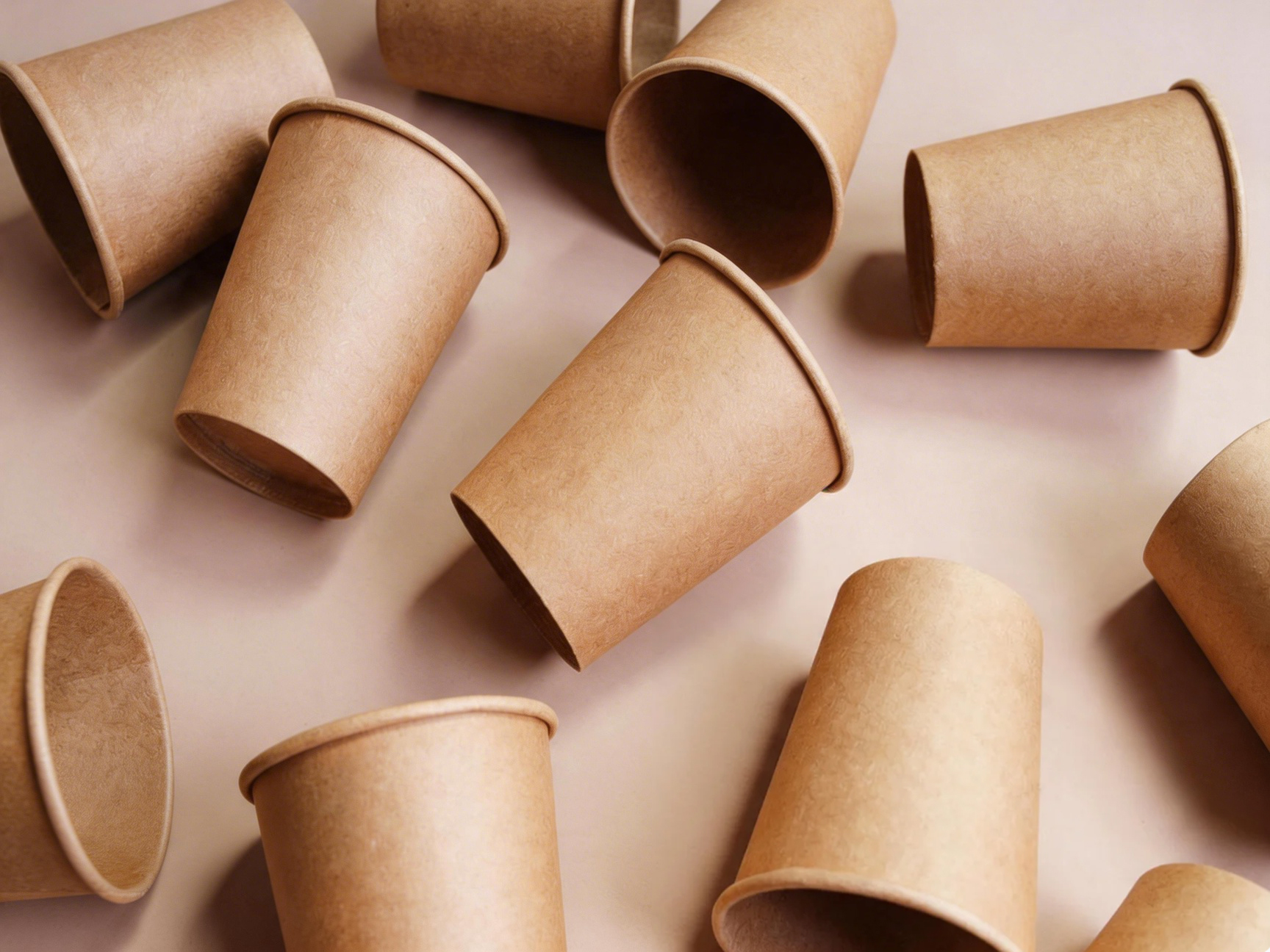
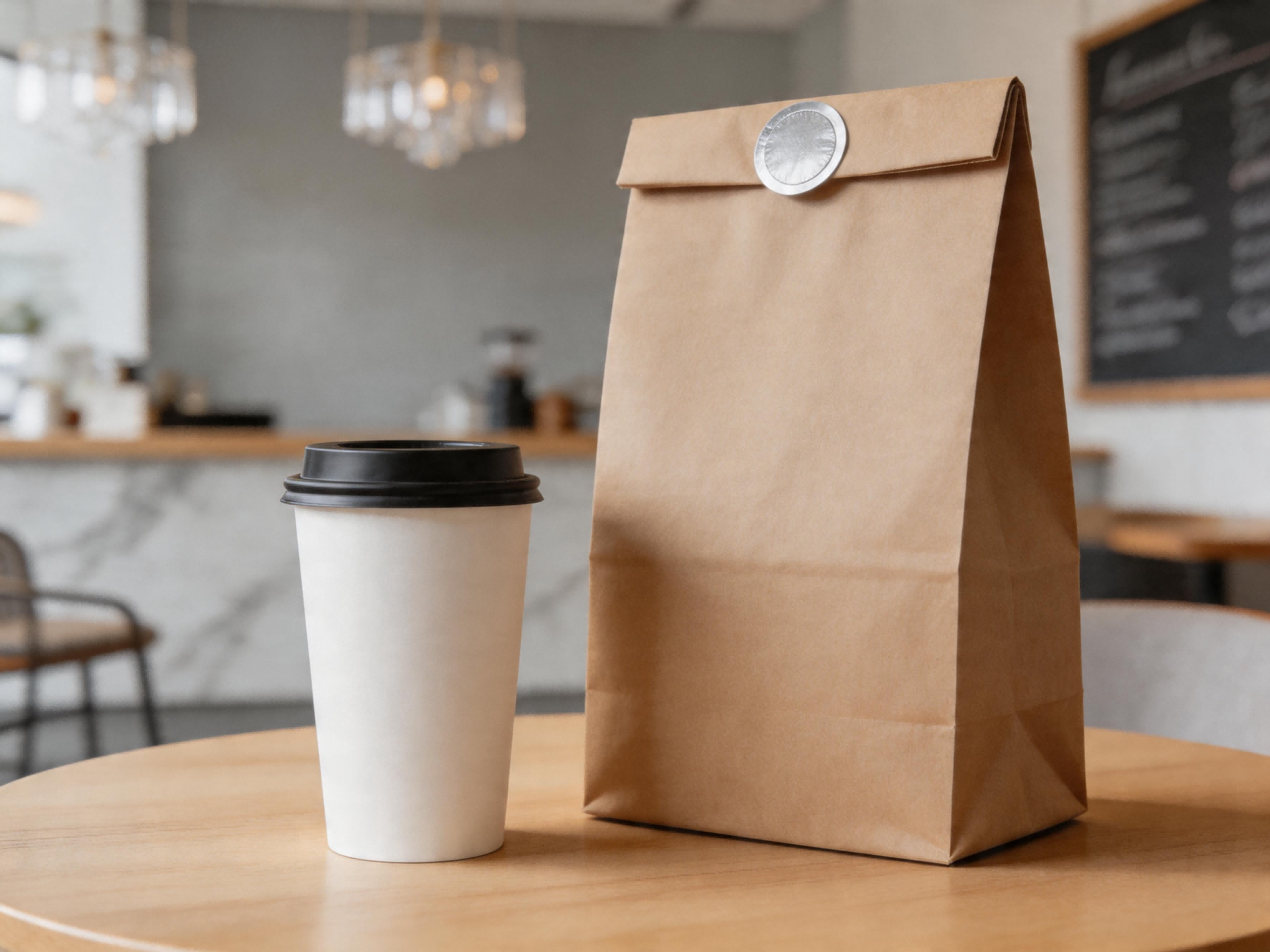
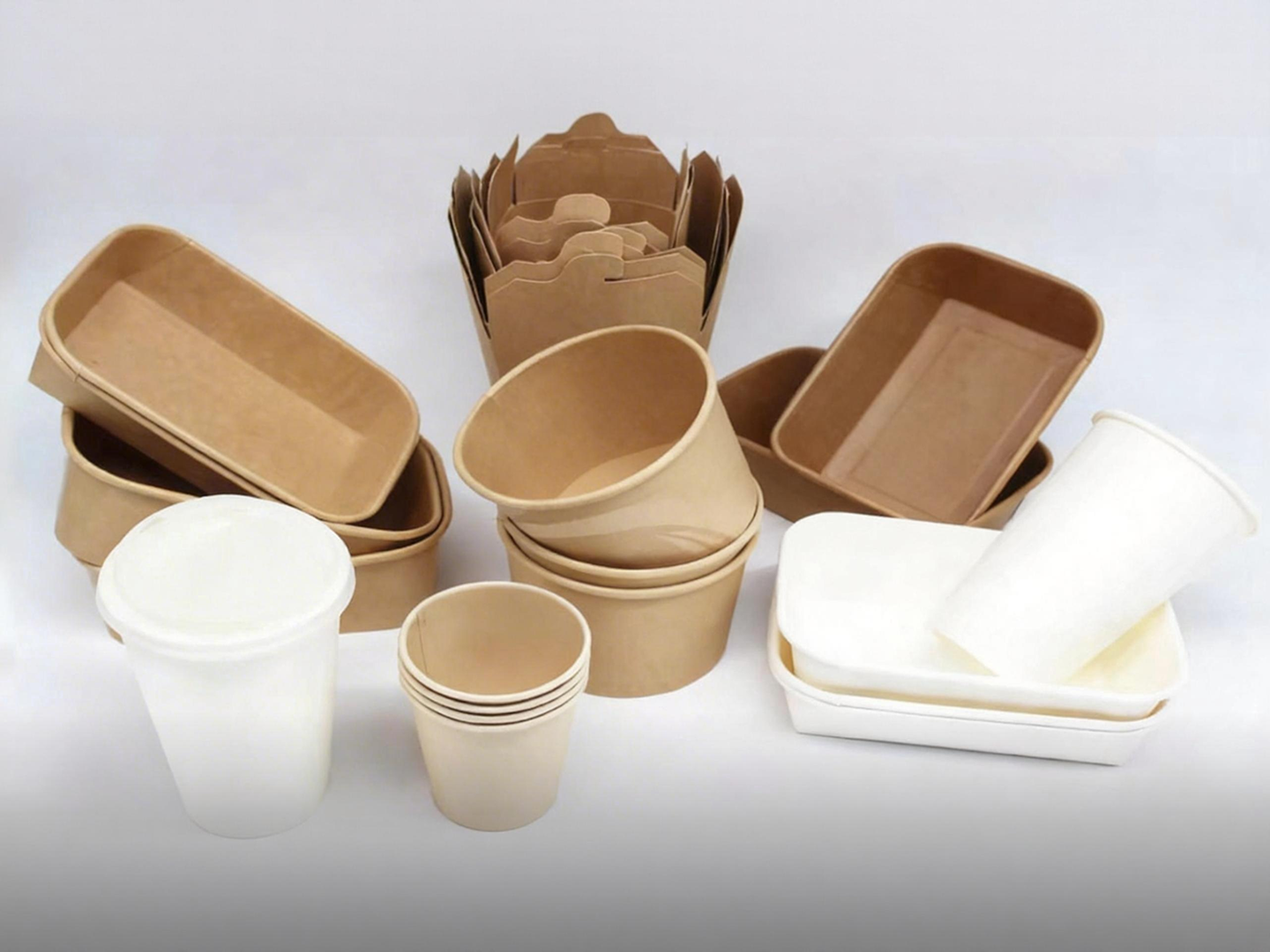
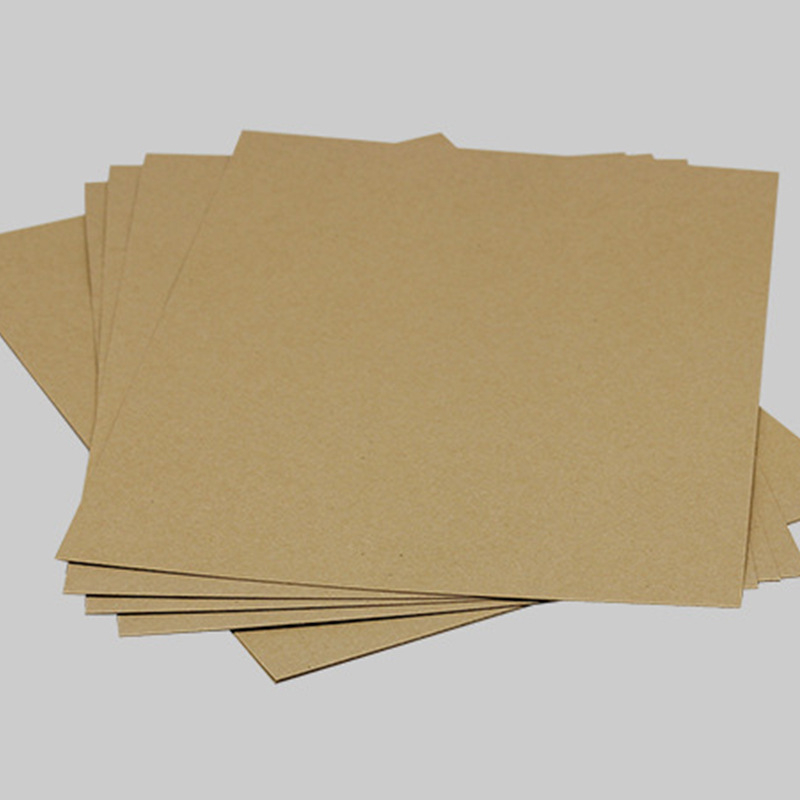
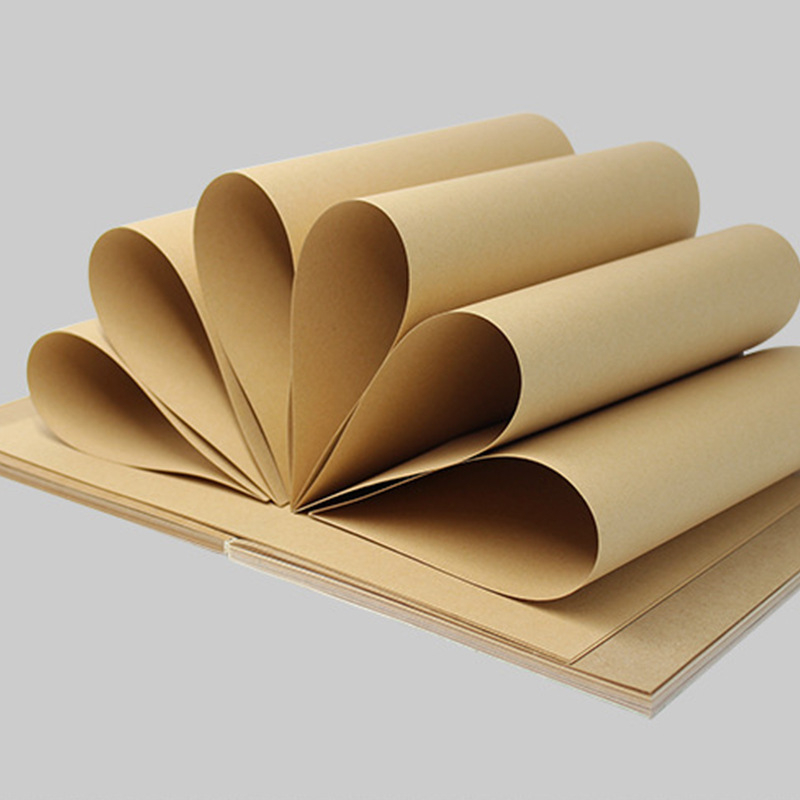
PE (Polyethylene) coated kraft paper is a composite material that combines the high tensile strength of kraft paper with the waterproof, greaseproof, and heat-sealable properties of a polyethylene coating. It is widely used in paper cups, food bags, chemical packaging, and disposable tableware. The quality of the final product directly depends on the base paper, coating uniformity, adhesive strength, and compliance with safety standards.
Key Factors to Evaluate PE Coated Kraft Paper Quality
1. Base Paper Quality: The Foundation of Strength
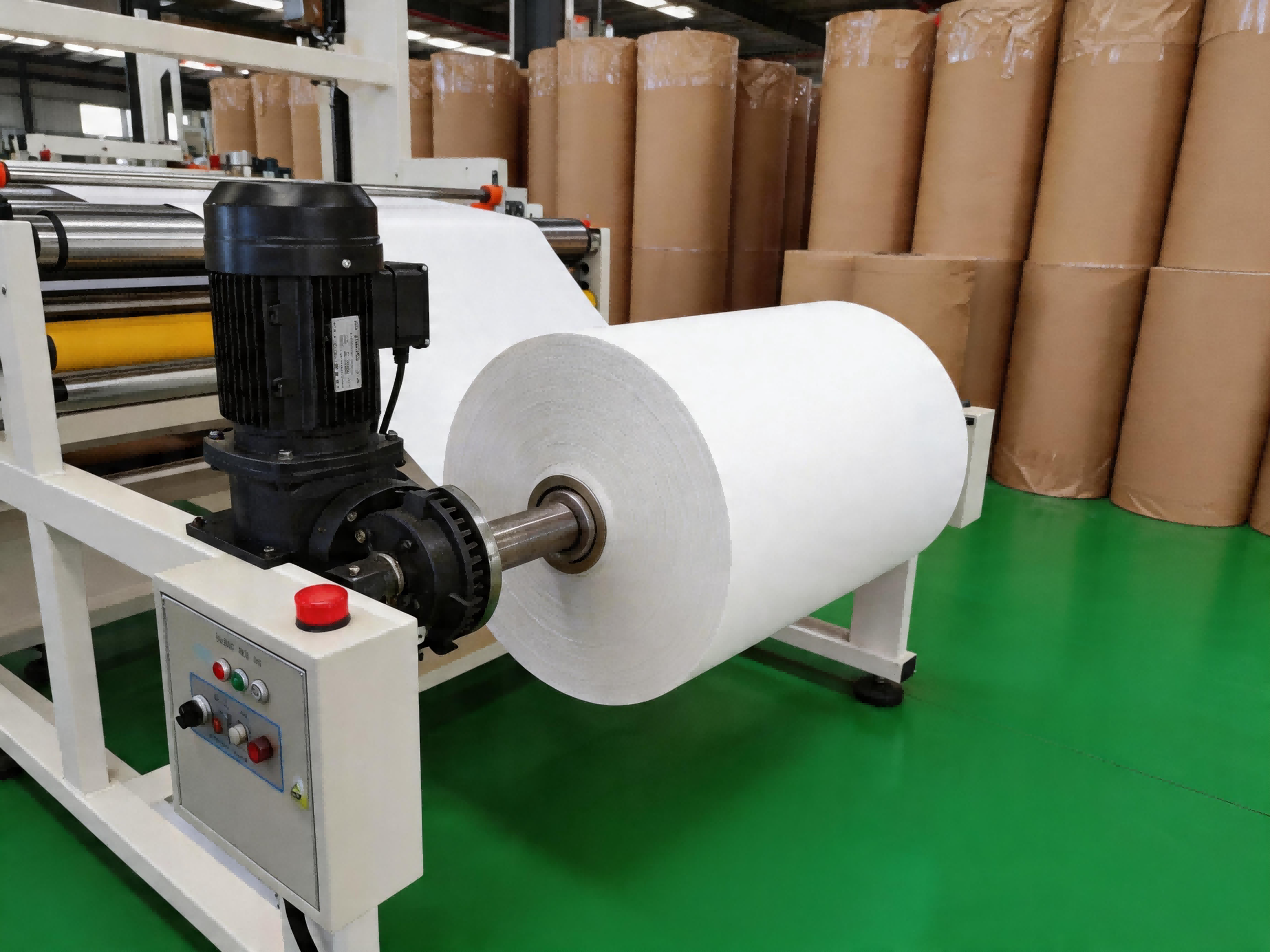
The base kraft paper determines the fundamental mechanical properties. Inferior base paper leads to weak, easily torn products, even with a thick PE coating.
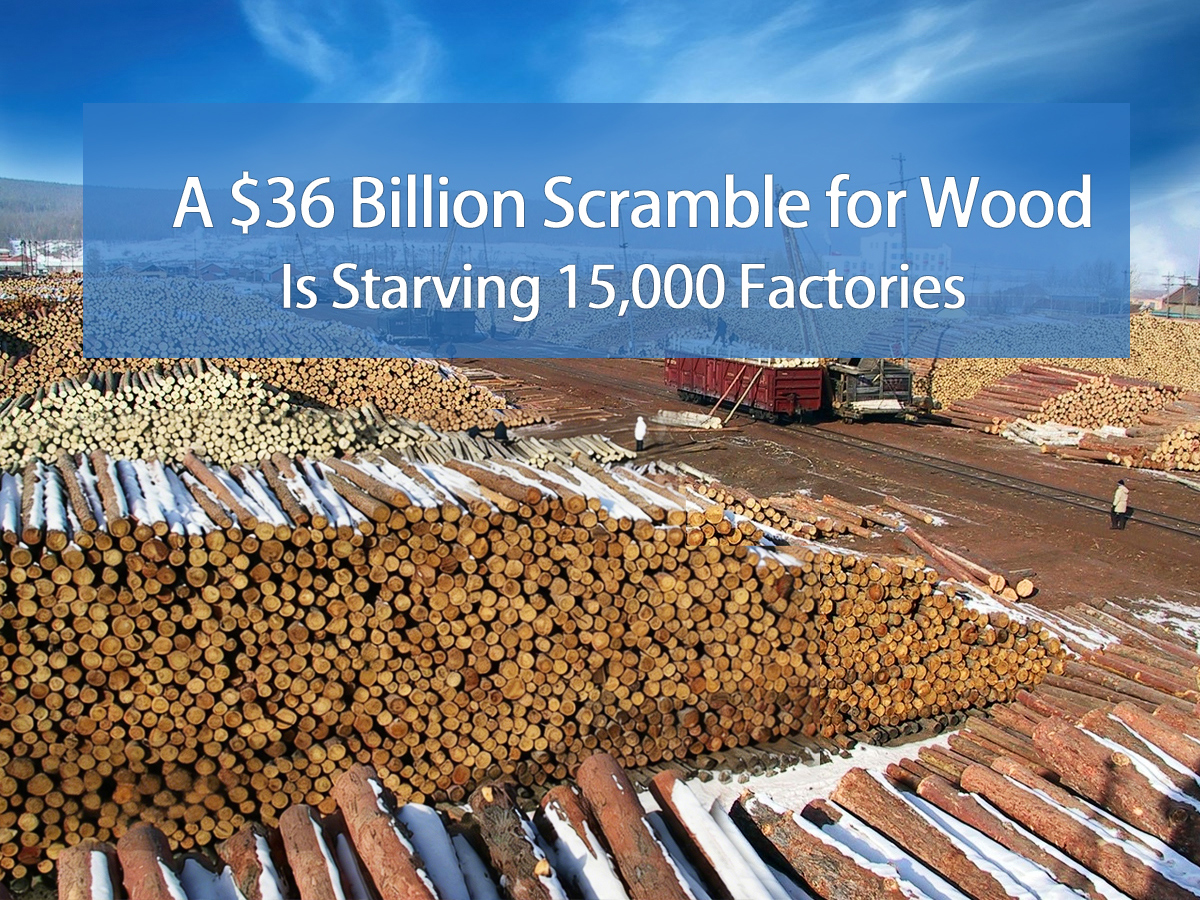
- Raw Material Pulp: Opt for paper made from 100% virgin wood pulp(unbleached or bleached). It offers superior tensile strength (typically Tensile Index ≥ 30 N·m/g) and tear resistance. Products with high recycled pulp content tend to have lower strength and inconsistent quality.
- Basis Weight (GSM): Standard weights range from 30–300 gsm. Common selections:
•Light packaging (e.g., bread bags): 40–60 gsm
•Paper cups/liquid containers: 180–300 gsm
•Heavy-duty industrial sacks: 250–300 gsm
- Physical Uniformity: High-quality paper is flat, smooth, and free of defects like holes, spots, or "cloudy" unevenness when held to light.
2. PE Coating: The Critical Barrier Layer
The PE coating provides the essential barrier functions. Poor coating results in leaks, poor sealability, and failed protection.
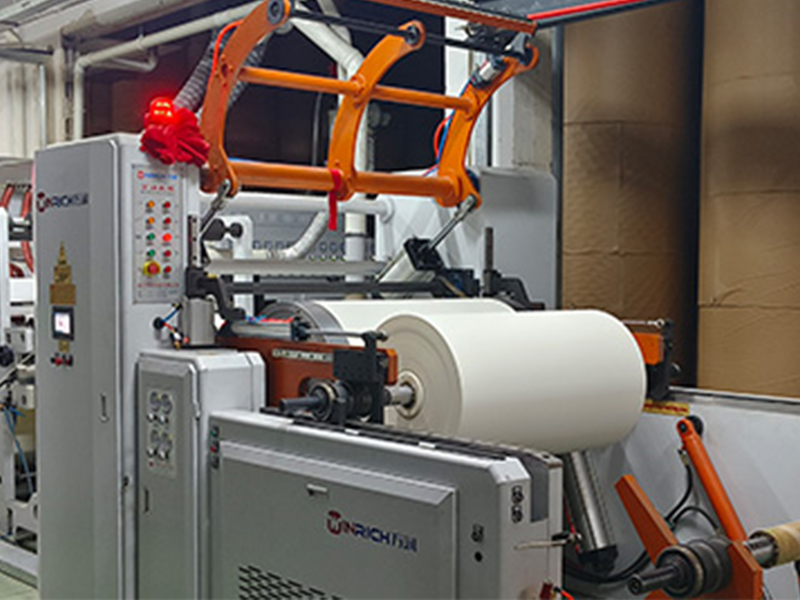
- Coating Weight & Uniformity: Standard coating weights are 8–15 gsm(single-side), with 10 gsm being the most common. The coating must be perfectly even, with no thin spots, streaks, or bubbles. A COBB water absorption test value ≤ 30 g/m² indicates excellent waterproofing.
- Adhesion Strength: The PE layer must bond firmly to the kraft paper. A simple test: try peeling the coating off—it should not separate easily. Poor adhesion causes delamination during converting (e.g., cup forming).
- Coating Side: Choose single-sidecoating for general moisture resistance or double-side coating for maximum protection against liquids and grease.
3. Safety & Food-Grade Compliance (Essential for Food Contact)
For food packaging applications, compliance with health and safety standards is non-negotiable.
- Certifications: Look for FDA (US), EU Food Contact Regulation (EC) No. 1935/2004, and GB 4806.8 (China)
- Purity: The material must be non-toxic, odorless, and free from fluorescent whitening agents.
- Heat Resistance: Food-grade PE coating should withstand temperatures from -25°C to 121°C, suitable for hot filling and short microwave heating.
4. Printability & Processability
High-quality PE coated paper must perform well on automated converting lines.
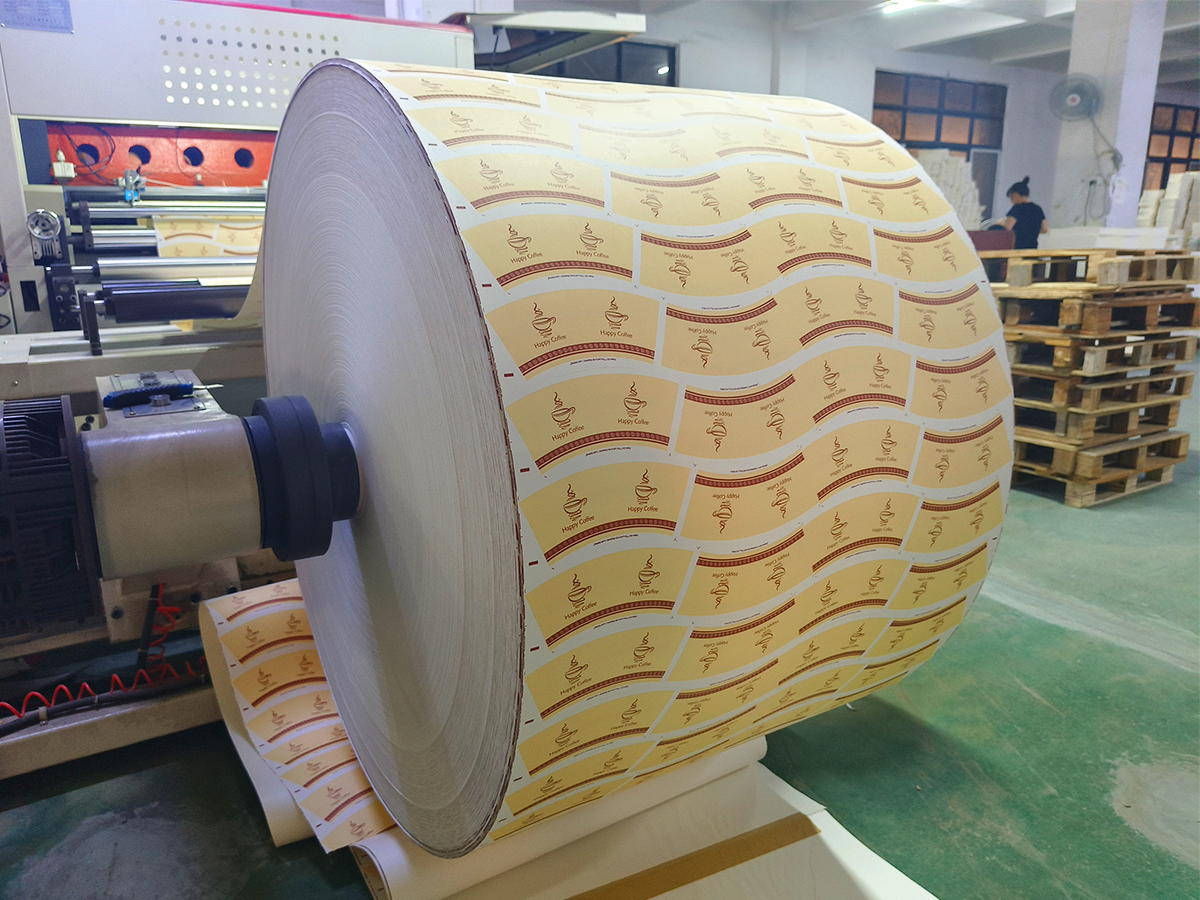
- Surface Smoothness: A smooth surface (Smoothness ≥ 40 sec) ensures high-quality, vibrant printing.
- Heat Sealability: The PE layer must seal reliably at standard machine temperatures (150–200°C) without sticking or breaking.
5. Sustainability & Eco-Credentials
Sustainability is a major market driver, with 62% of global buyers prioritizing eco-friendly packaging in 2025.
- Certifications: Seek FSC (Forest Stewardship Council)certification for responsibly sourced pulp.
- Recyclability: Select grades designed for easy recycling or compatible with existing waste streams.
- Biodegradable Options: Consider innovative biodegradable/bio-based PE coatings for enhanced environmental performance.
Step-by-Step Buying Guide
- Define Your Application: Specify use (food/non-food), required barrier (water/grease), and temperature conditions.
- Check Technical Specifications: Verify GSM, PE coating weight, and key test indices (Tensile Index, COBB value).
- Inspect Certifications: Confirm food safety (FDA/EC) and sustainability (FSC) documents.
- Request & Test Samples:
- Evaluate the Supplier: Partner with established manufacturers (e.g., Mondi, WestRock) for consistent quality and reliable supply.
•Visual inspection for flatness and coating uniformity.
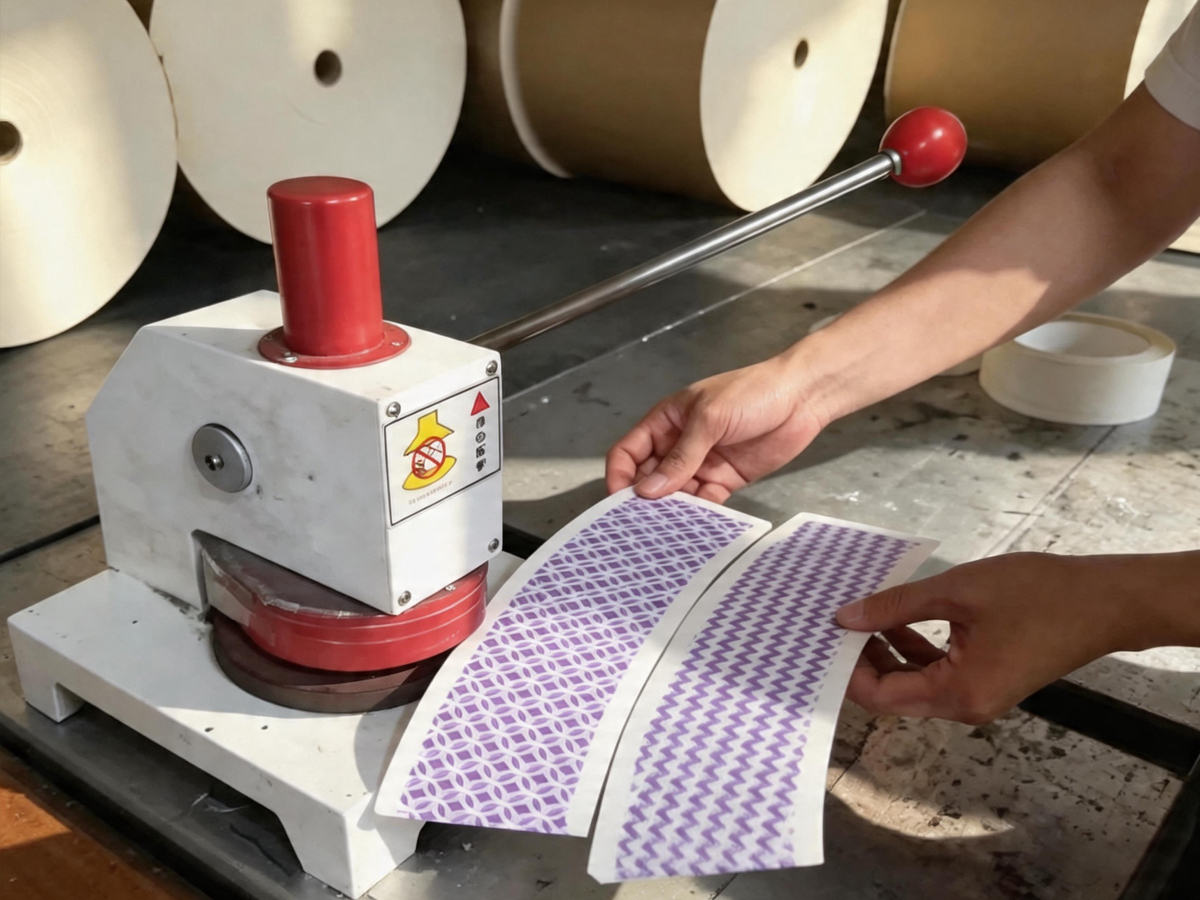
•Peel test to check adhesion.
•Water/oil resistance test.
Common Pitfalls to Avoid
- Choosing based on price alone: Low-cost paper often uses recycled pulp or uneven coating, leading to high failure rates.
- Ignoring coating uniformity: Thin spots cause leaks; thick spots increase cost and reduce recyclability.
- Overlooking certifications: Non-compliant food-grade paper poses severe legal and brand risks.
Conclusion
In a market growing at 4.5% CAGR, selecting high-quality PE coated kraft paper is a strategic decision that impacts product safety, brand reputation, and operational efficiency. By prioritizing a strong virgin pulp base, uniform and well-adhered PE coating, essential safety certifications, and sustainable sourcing, buyers can secure a reliable, high-performance material. Always test samples and partner with reputable suppliers to ensure your specifications are consistently met.
Final Tip: For critical applications, partner with third-party testing institutions (e.g., SGS, BCTC) to perform comprehensive quality audits before placing bulk orders.
Eco & Material Options:
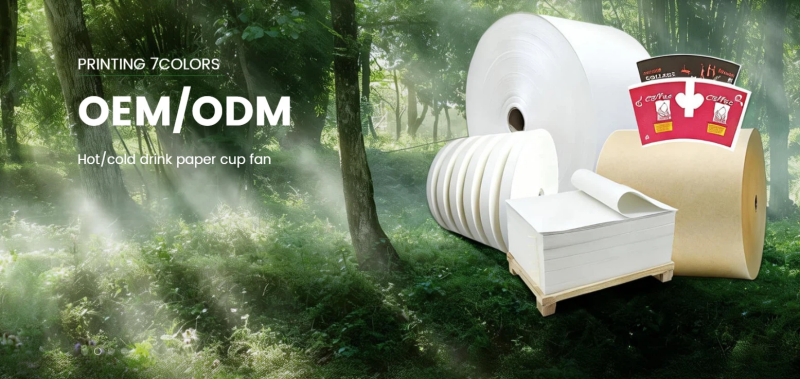
We offer food-grade bottom paper in kraft or whiteboard base, with PE or water-based coatings to suit both conventional and eco-friendly cup production.
📦 What We Supply:
Grammage: 150–270gsm
Width:40mm-140mm
Base: Virgin Kraft Paper or Whiteboard
Coating: Single/Double PE, Water-based Coating
Die-cut or Roll Form Available
Custom sizes for all cup diameters
A high-quality paper cup starts from the bottom. Let us help you find the right base material to ensure stable production and strong final products.
Contact us today for samples or a free technical consultation.
Nanning Lvke Paper Co.,Ltd