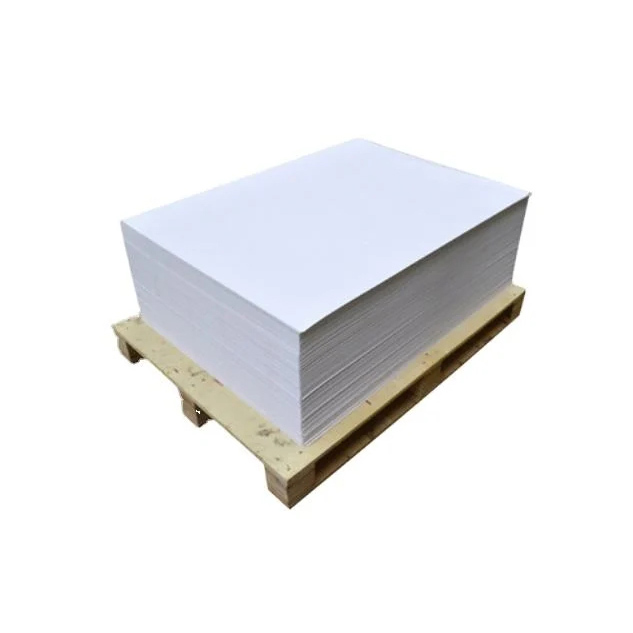
C1S Ivory Board is a premium type ofCoated Paperboard made from pure, high-quality wood pulp. As a popular Ivory Board Paper variant, it is thick, sturdy, and dense, widely used in modern industrial production—including printing, advertising, and packaging. Common applications range from business cards, invitations, and certificates to packaging boxes and premium product wrappers. It is often supplied as C1S Ivory Paper Sheet for convenient cutting and processing, and is closely related to C1s Glossy Board (a high-gloss coated counterpart). For buyers and users, identifying high-quality C1S Ivory Board is critical to ensuring printing effects, packaging durability, and overall product quality. Below are 3 actionable, science-backed methods to judge its quality, with key insights into coated paperboard performance.
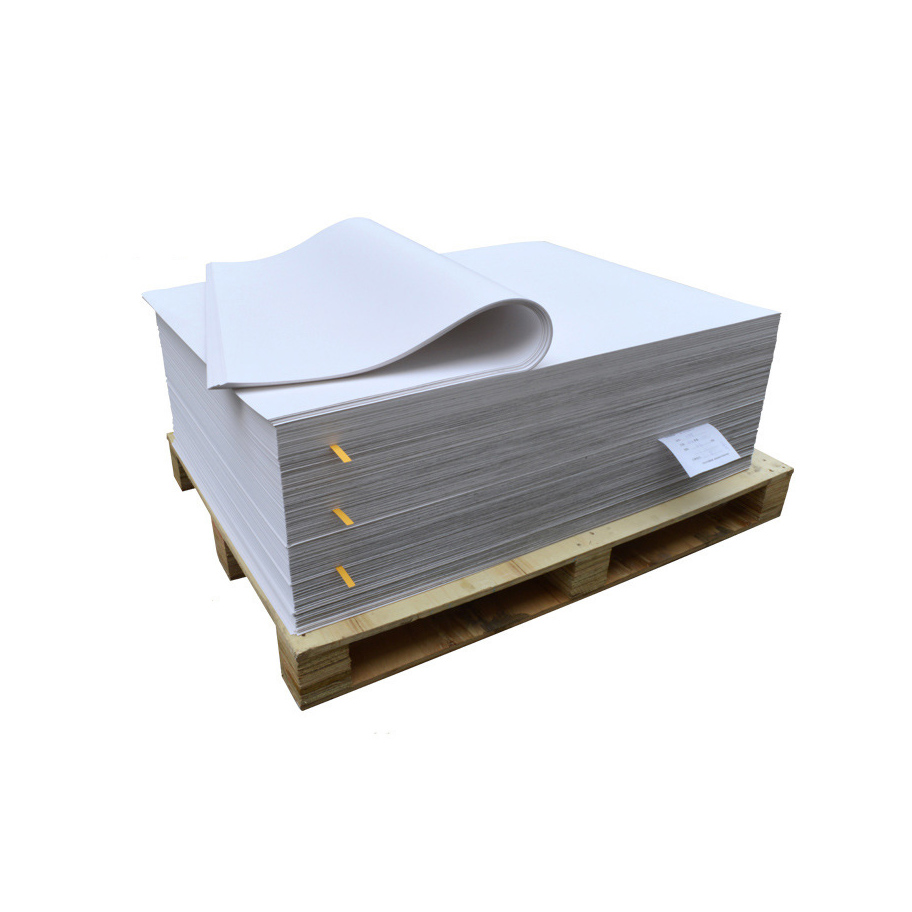
Inspect the Appearance (Key for C1S Ivory Paper Sheet & Ivory Board Paper)
The appearance of C1S Ivory Board directly reflects its production quality—this is the simplest and fastest initial check, applicable to both C1S Ivory Paper Sheet and large-format Ivory Board Paper. High-quality C1S Ivory Board (a type of coated paperboard) should meet the following standards:
Smooth & Flat Surface: The surface should be uniformly flat and smooth, with no streaks, spots, bubbles, or scratches. Unlike
C1s Glossy Board (which has a high-gloss finish), C1S Ivory Board has a matte, ivory-white surface, but the coating (single-sided, as indicated by "C1S") should be even with no uneven areas.
No Warping or Deformation: High-quality C1S Ivory Paper Sheet and Ivory Board Paper will lie flat naturally, without warping, curling, or bending. Warping usually indicates uneven fiber distribution or improper drying during production, which can affect subsequent printing and packaging forming.
Uniform Fiber Structure & Purity: Hold the coated paperboard up to natural light—you should see a uniformly distributed fiber structure, with no excessive dust, impurities, or dark spots. Impure fibers or uneven distribution will reduce the board's strength and printing adaptability.
Consistent Color: The ivory-white color should be uniform across the entire C1S Ivory Paper Sheet, with no yellowing, discoloration, or color differences. Color inconsistency often signals poor raw material quality or uneven coating.
Test the Burst Resistance Index (Critical for Coated Paperboard Durability)
C1S Ivory Board is frequently used to make packaging boxes, bags, and other load-bearing products—so its burst resistance index (a key performance indicator for coated paperboard) must meet industry standards. High-quality C1S Ivory Board (and related Ivory Board Paper variants) will have excellent durability, ensuring it can withstand pressure and weight without breaking.
Practical Testing Methods:
Professional Equipment Test: Use a burst tester to measure the burst resistance—high-quality C1S Ivory Board should have a burst resistance index of no less than 2.5 kPa·m²/g (depending on thickness). This is comparable to high-quality C1s Glossy Board, though C1S Ivory Board focuses more on sturdiness than gloss.
DIY Practical Test: For on-site inspections without professional tools, cut a C1S Ivory Paper Sheet into a small sample and make a simple bag or box. Fill it with items of a known weight (e.g., 1–2kg for packaging-grade board) and observe if it holds shape, tears, or bursts. If it maintains structural integrity for 24 hours, it meets basic burst resistance requirements.
Note: Burst resistance is closely related to raw material quality—pure high-quality wood pulp (the base of C1S Ivory Board) ensures better fiber bonding, while inferior coated paperboard (with recycled or low-grade pulp) will have poor burst resistance.
Measure the Thickness (Ensures Sturdiness for Ivory Board Paper)
Sturdiness and density are core characteristics of C1S Ivory Board—and thickness is a direct reflection of these traits. Only Ivory Board Paper with standard thickness can maintain strength, support load-bearing, and meet application needs (e.g., thick board for packaging, thinner C1S Ivory Paper Sheet for business cards).
Step-by-Step Measurement:
1. Take 3–5 random C1S Ivory Paper Sheet samples from the same batch to ensure representativeness (avoiding individual defects).
2. Use a vernier caliper (or thickness gauge) to measure the thickness of each sample at 3 different points (center and two edges) to avoid measurement errors.
3. Calculate the average thickness—high-quality C1S Ivory Board must comply with industry specifications: common thickness ranges from 250gsm (0.3mm) for business cards to 400gsm (0.5mm) for packaging boxes. Thickness deviation should not exceed ±0.02mm.
Why Thickness Matters: Too-thin C1S Ivory Board will be flimsy and prone to deformation; too-thick board wastes material and increases costs. Unlike C1s Glossy Board (where thickness is often balanced with gloss), C1S Ivory Board's thickness directly determines its load-bearing capacity and application scope.
Final Tips for Identifying High-Quality C1S Ivory Board
In addition to the three methods above, pay attention to these details when selecting coated paperboard like C1S Ivory Board:
Check the coating adhesion: Gently scratch the surface with a fingernail—high-quality C1S Ivory Board (a single-sided coated paperboard) will not have peeling coating, which ensures good printing ink adhesion.
Compare with standards: Reference industry specifications for Ivory Board Paper and C1S Ivory Paper Sheet—reputable manufacturers will provide test reports confirming thickness, burst resistance, and fiber purity.
Distinguish from similar products: C1S Ivory Board has a matte ivory finish, while C1s Glossy Board has a shiny surface; both are coated paperboard, but their applications differ (glossy board for high-impact printing, ivory board for sturdy packaging).
By following these methods, you can easily distinguish high-quality C1S Ivory Board from inferior products, avoiding losses caused by poor performance. Whether you need C1S Ivory Paper Sheet for printing or C1S Ivory Board for packaging, focusing on appearance, burst resistance, and thickness ensures you select the right Ivory Board Paper for your needs.